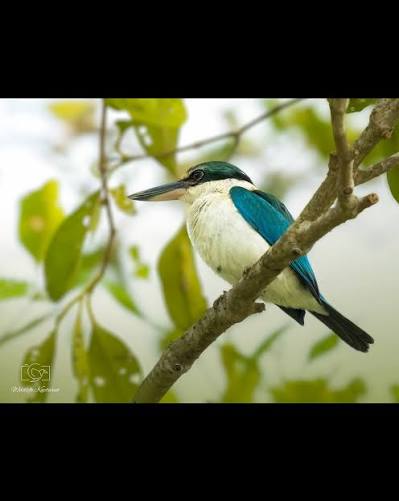





Bhitarkanika National Park in Odisha is home to 8 out of India’s 12 kingfisher species, making it one of the country’s most unique avian habitats. With mangroves, tidal creeks, and mudflats supporting over 420 bird species, this sanctuary blends biodiversity, heritage, and conservation challenges into a rare ecological gem.
Spread across 672 sq km in Kendrapara district, Bhitarkanika National Park is often called “India’s Amazon.” Its mangrove ecosystem, estuarine rivers, and wetlands provide a thriving environment for resident and migratory birds. The latest census recorded over 1,30,000 birds, reaffirming its status as a biodiversity hotspot.
Kingfisher Diversity In Bhitarkanika
Eight kingfisher species thrive here, including the common kingfisher, white-throated kingfisher, pied kingfisher, and stork-billed kingfisher. The abundance of fish and aquatic life in tidal creeks makes the park an ideal breeding ground, offering ornithologists a rare chance to observe multiple species in one location.
Unique Habitat Features
Bhitarkanika’s mangrove ecosystem is the second largest in India after Sundarbans. Its saline waters, mudflats, and dense vegetation create a perfect habitat for birds, reptiles, and aquatic species. Seasonal flooding and tidal movements enrich biodiversity, supporting saltwater crocodiles alongside migratory birds from Central Asia and Europe.
Conservation Challenges
Despite rising bird numbers, Bhitarkanika faces threats from pollution, plastic waste, and human encroachment. Illegal fishing and habitat disturbance remain pressing issues. Conservationists emphasize eco-tourism and stricter monitoring to safeguard this rare bird haven.
Avian Highlights
-
Eight kingfisher species recorded in Bhitarkanika
-
Over 420 bird species, including migratory flocks
-
Latest census counted 1,30,796 birds in 2025
-
Mangrove ecosystem supports reptiles and aquatic life
-
Pollution and encroachment threaten long-term sustainability
Future Outlook
With its growing reputation as a birding paradise, Bhitarkanika is poised to attract eco-tourists and researchers. Strengthening conservation measures and promoting sustainable tourism will be key to ensuring this mangrove sanctuary continues to host India’s dazzling kingfishers for generations.
Sources: Moneycontrol, OrissaPOST, Hindustan Times, India Today