


For over a century, Kolkata’s sweet traditions have been preserved by families like the Ghoshs of Jugal’s and the Mullicks of Balaram Mullick & Radharaman Mullick. These iconic mithai shops have grown from humble beginnings into beloved institutions, keeping alive the city’s cultural love affair with mishti while innovating for modern tastes.
Since 1923, Jugal Kishore Ghosh’s mithai shop in Sealdah has expanded into a multi-location brand, while the Mullick family’s sweet house, founded in 1885, continues to reinvent Bengali sweets. Together, these families embody Kolkata’s enduring culinary heritage, blending tradition with innovation across generations.
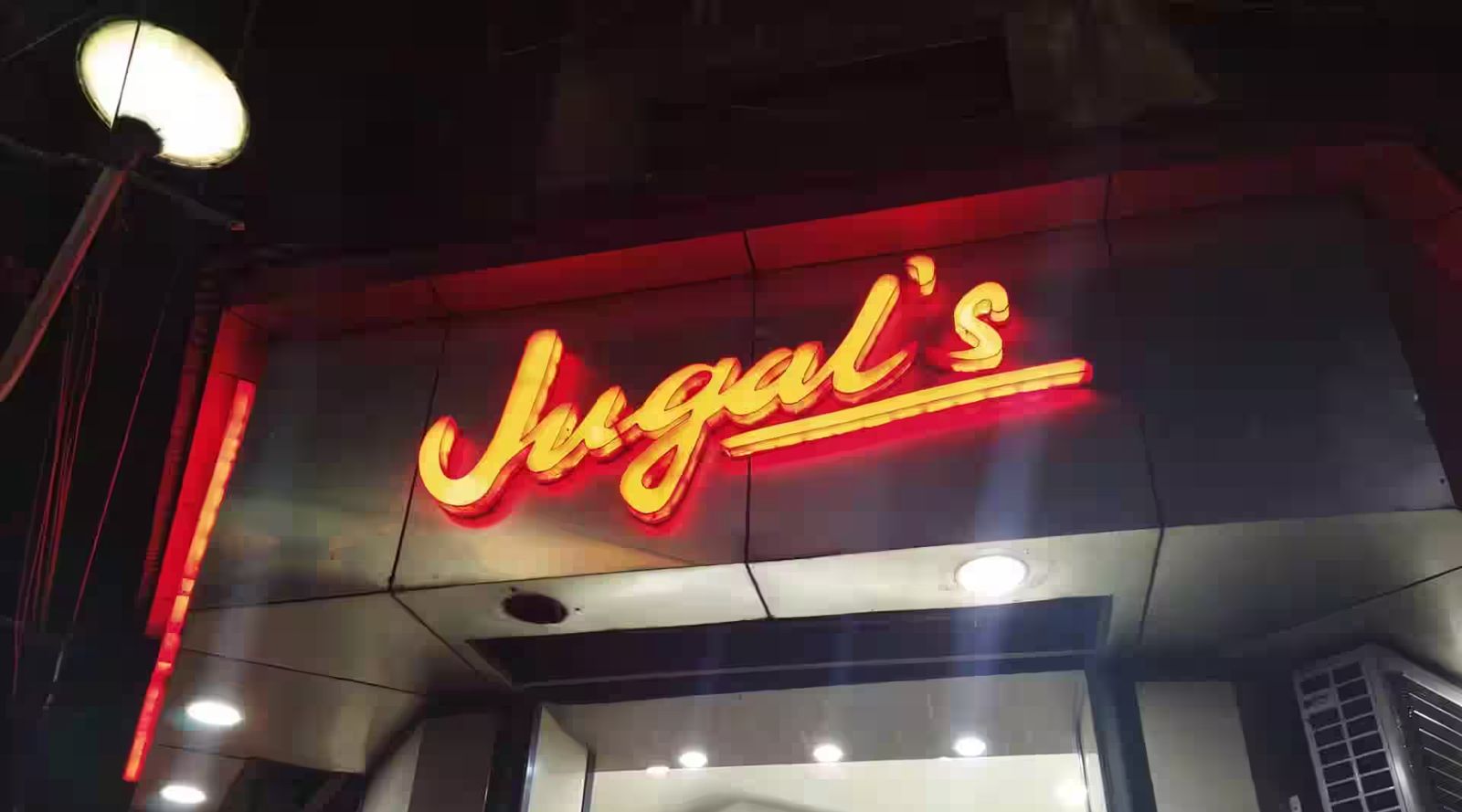
Jugal’s Legacy
Founded in 1923 by Jugal Kishore Ghosh in Sealdah.
Expanded from one shop to seven family-run outlets across Kolkata.
Known for consistency, craftsmanship, and customer trust.
Krishna Kali Ghosh, Jugal’s youngest son, spearheaded brand-building after 1963.
Balaram Mullick & Radharaman Mullick
Established in 1885, now run by fourth-generation custodian Sudip Mullick.
Famous for blending tradition with modern flavors like baked rosogolla.
Reinvented Bengali sweets for contemporary palates while preserving authenticity.
Recognized nationally as a symbol of Kolkata’s sweet heritage.
Cultural Significance
Sweets are integral to Bengali festivals, rituals, and hospitality.
Century-old shops embody Kolkata’s identity as the “City of Joy.”
Culinary tourism thrives on these heritage sweet houses.
Key Highlights
• Jugal’s founded in 1923, now a multi-location mithai brand
• Krishna Kali Ghosh expanded legacy after founder’s passing in 1963
• Balaram Mullick & Radharaman Mullick established in 1885, reinvented Bengali sweets
• Families preserved Kolkata’s sweet traditions for over 100 years
• Sweets remain central to Bengali culture, festivals, and tourism
Sources: The Better India, Lifestyle Asia, Host Diaries Podcast