


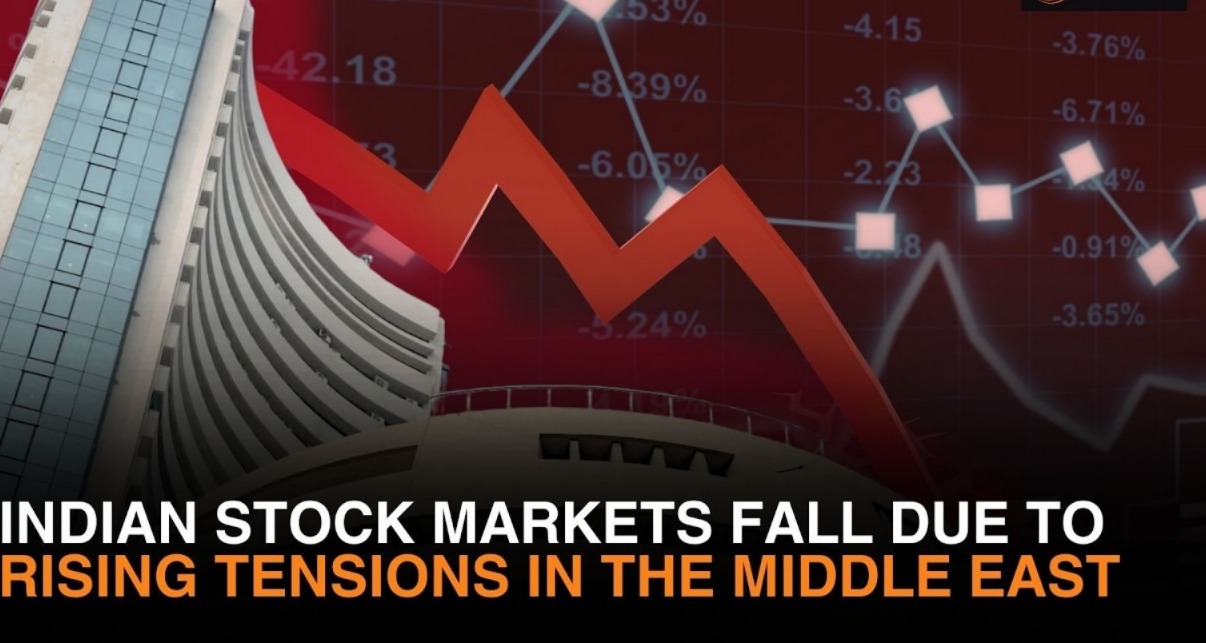



Domestic LPG cylinder prices in India remain elevated on March 28, 2026, with households in Delhi, Mumbai, Bengaluru, and Hyderabad facing higher costs. Commercial cylinder rates have also surged, reflecting global energy disruptions linked to the West Asia crisis and India’s heavy reliance on Gulf imports.
India’s LPG market is under pressure as geopolitical tensions disrupt supply chains. With 60% of LPG imported from Gulf nations, the government has increased commercial allocations to meet industrial demand, but households continue to feel the pinch.
Domestic Cylinder Prices
The price of a 14.2 kg domestic LPG cylinder has seen a recent hike of ₹60 earlier this month. As of March 28, rates vary slightly across cities but remain high, impacting household budgets.
Commercial Cylinder Prices
Commercial LPG cylinders, widely used in hotels, restaurants, and industries, have witnessed a sharper increase of ₹144. This surge is attributed to rising import costs and supply chain disruptions, with authorities prioritizing industrial demand to prevent shortages.
Regional Price Snapshot
-
Delhi: Domestic cylinder around Rs.950; commercial cylinder above Rs.1,800
-
Mumbai: Domestic cylinder near Rs.960; commercial cylinder above Rs.1,850
-
Bengaluru: Domestic cylinder around Rs.955; commercial cylinder above Rs.1,840
-
Hyderabad: Domestic cylinder near Rs.960; commercial cylinder above Rs.1,850
Key Highlights
-
Domestic LPG cylinder prices increased by ₹60 earlier this month
-
Commercial LPG cylinder prices surged by ₹144
-
Delhi, Mumbai, Bengaluru, and Hyderabad report domestic rates around ₹950–₹960
-
Commercial cylinder prices exceed ₹1,800 across major metros
-
Government raised commercial allocations by 20% to meet industrial demand
-
Supply chain disruptions linked to West Asia conflict affecting imports
India’s Energy Outlook
The ongoing conflict in West Asia has intensified concerns about India’s energy security. Policymakers are reassessing supply strategies to safeguard domestic consumers from further price shocks. Meanwhile, alternatives like CNG and PNG are gaining traction as more stable options for urban households and transport users.
Sources: Mint, Business Today, Informalnewz