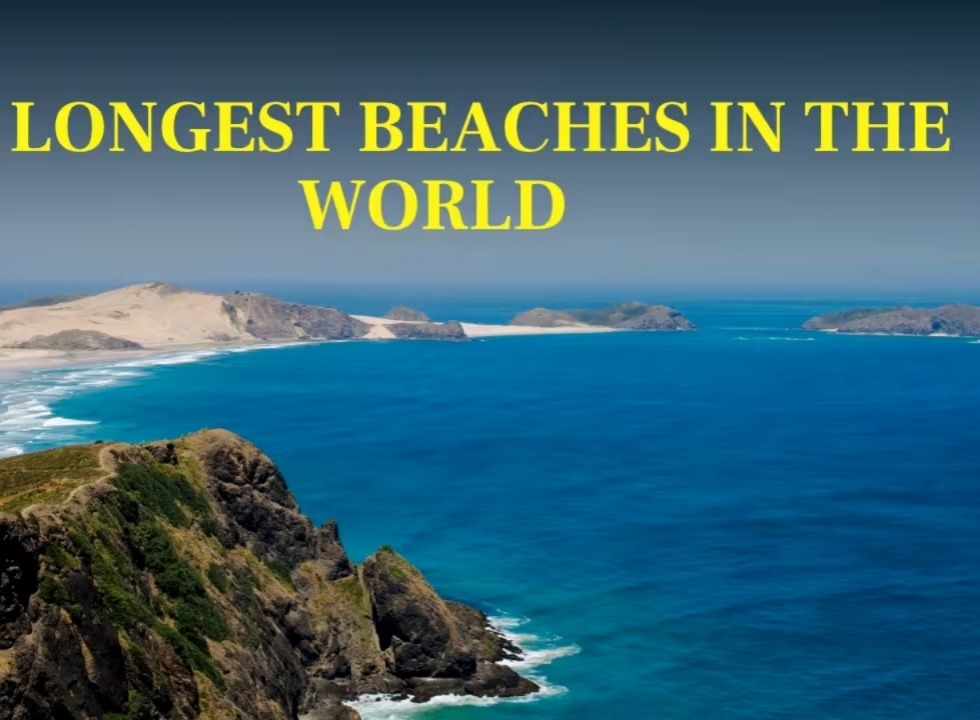




From Brazil’s Praia do Cassino to Bangladesh’s Cox’s Bazar, the world’s longest beaches stretch for hundreds of kilometers, offering breathtaking views, cultural experiences, and natural wonders. These vast coastlines are not only scenic but also ideal for adventure, relaxation, and exploring diverse ecosystems across continents.
Beaches that seem endless inspire awe and freedom. The longest beaches in the world showcase nature’s grandeur, blending tranquil shores with vibrant local life. Whether for leisure, photography, or cultural immersion, these destinations are worth adding to any traveler’s bucket list.
Praia Do Cassino, Brazil
Stretching about 254 km, Praia do Cassino is the longest uninterrupted sandy beach in the world. It offers stunning views of the Atlantic Ocean and is popular for fishing, surfing, and coastal drives.
Ninety Mile Beach, Australia
Extending 151 km, this beach is known for its dunes, wildlife reserves, and pristine environment. It’s a haven for eco-tourists and nature lovers.
Cox’s Bazar, Bangladesh
At 120 km, Cox’s Bazar is the world’s longest natural sea beach. Famous for its golden sands and cultural vibrancy, it attracts millions of visitors annually.
Eighty Mile Beach, Australia
Spanning 230 km, this beach is a paradise for birdwatchers and fishing enthusiasts, offering spectacular sunsets and diverse marine life.
Padre Island National Seashore, USA
Covering 105 km, it is the longest undeveloped barrier island in the world, rich in biodiversity and perfect for camping and exploration.
Troia Peninsula, Portugal
Europe’s longest uninterrupted sand beach at 65 km, Troia Peninsula combines natural beauty with historical charm, making it a unique travel destination.
Key Highlights
-
Praia do Cassino, Brazil – 254 km
-
Ninety Mile Beach, Australia – 151 km
-
Cox’s Bazar, Bangladesh – 120 km
-
Eighty Mile Beach, Australia – 230 km
-
Padre Island, USA – 105 km
-
Troia Peninsula, Portugal – 65 km
Sources: NDTV, Wikipedia, WorldAtlas