
Ancient India’s sophisticated methods of predicting rainfall through texts like Brihatsamhita, Parāśaratantra, and Mahāsalilam, combined astronomical observations, ecological signs, and bio-indicators long before modern meteorology. These practices, rooted in empirical observation, reveal how traditional knowledge anticipated monsoon cycles with surprising accuracy, challenging the notion that science began only with modern instruments.
India’s agrarian civilization depended heavily on the monsoon, and ancient scholars developed systematic ways to forecast rainfall. Long before satellites and Doppler radars, texts and traditions offered insights into cloud formation, seasonal cycles, and ecological signals. Today, researchers acknowledge that many of these methods align with modern scientific principles.
Traditional Knowledge Systems
Ancient Indian texts such as Varāhamihira’s Brihatsamhita and Parāśaratantra documented rainfall prediction techniques. These works analyzed planetary positions, lunar cycles, and solar phenomena to anticipate weather changes. Farmers also relied on almanacs (panchangs), which integrated astronomy and astrology to forecast rainfall and seasonal variations.
Bio-Indicators And Ecological Signs
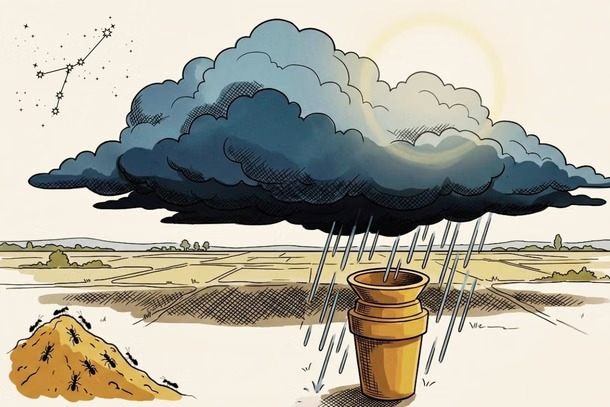
Observation of nature played a crucial role. Ants carrying eggs to higher ground, halos around the sun or moon, and unusual bird migrations were seen as signs of impending rain. These ecological indicators were not superstition but empirical data collected over generations, forming a practical forecasting system.
Comparison With Modern Science
While modern meteorology uses satellites, radars, and probabilistic models, ancient methods relied on long-term observation and pattern recognition. Interestingly, many traditional indicators—such as cloud formations and humidity changes—are validated by contemporary science. This convergence highlights the depth of indigenous knowledge and its relevance even today.
Cultural And Agricultural Impact
Accurate rainfall prediction was vital for crop planning, irrigation, and food security. Ancient forecasting methods helped communities prepare for floods, droughts, and seasonal shifts. They also reinforced cultural practices, with festivals and rituals often aligned to monsoon cycles, blending science with tradition.
Key Highlights
- Ancient texts like Brihatsamhita and Parāśaratantra documented rainfall prediction
- Bio-indicators such as ants, halos, and bird behavior used as forecasting tools
- Almanacs (panchangs) integrated astronomy and astrology for weather predictions
- Modern science validates several traditional indicators of rainfall
- Forecasting ensured agricultural planning and cultural alignment with monsoon cycles
Sources: Swarajya, Science India Magazinescienceindiamag.in, Journal of Agrometeorology