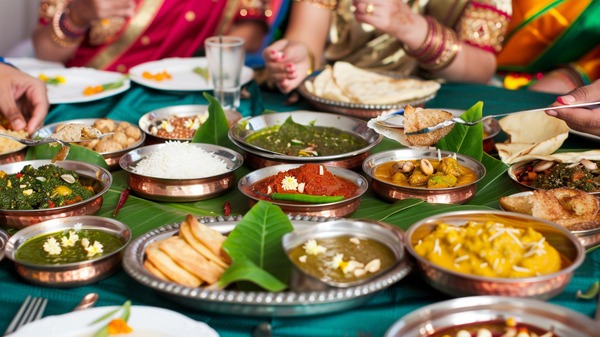





Ugadi, the Telugu and Kannada New Year, will be celebrated on Thursday, March 19, 2026. The festival marks new beginnings and is observed with rituals, prayers, and festive meals. Traditional recipes like Ugadi Pachadi, Pulihora, Bobbattu, and Payasam highlight the cultural richness of South Indian celebrations.
Ugadi, derived from the Sanskrit words “Yuga” (age) and “Adi” (beginning), symbolizes the start of a new era. Families across Andhra Pradesh, Telangana, and Karnataka welcome the new year with rituals, decorations, and festive dishes that embody renewal and prosperity.
Rituals And Symbolism
The day begins with oil baths, temple visits, and Panchanga Shravanam (listening to the new year’s almanac). The highlight is Ugadi Pachadi, a dish made with six ingredients representing life’s emotions-bitterness, sweetness, sourness, saltiness, spiciness, and tanginess-reminding devotees of the balance of experiences in life.
Traditional Recipes To Prepare
-
Ugadi celebrations are incomplete without a spread of festive delicacies. Families prepare:
-
Ugadi Pachadi with neem, jaggery, tamarind, salt, chili, and raw mango
-
Pulihora (tamarind rice) for tangy flavour
-
Bobbattu (sweet flatbread) stuffed with jaggery and dal
-
Mango Dal celebrating seasonal produce
-
Payasam (kheer) made with milk and jaggery
-
Chitranna (lemon rice) for refreshing zest
Festive Food Highlights
-
Ugadi Pachadi symbolizes life’s emotions
-
Pulihora and Chitranna add tangy zest
-
Bobbattu and Payasam bring sweetness
-
Mango Dal reflects seasonal tradition
-
Homes decorated with mango leaves and rangoli
Future Outlook
Ugadi 2026 coincides with Gudi Padwa and Chaitra Navratri, making March 19 a day of layered cultural significance. With growing interest in regional cuisines, Ugadi’s traditional recipes are expected to gain wider recognition beyond South India, reinforcing the festival’s culinary and cultural heritage.
Sources: Times of India, NDTV Food, Economic Times, Indian Express