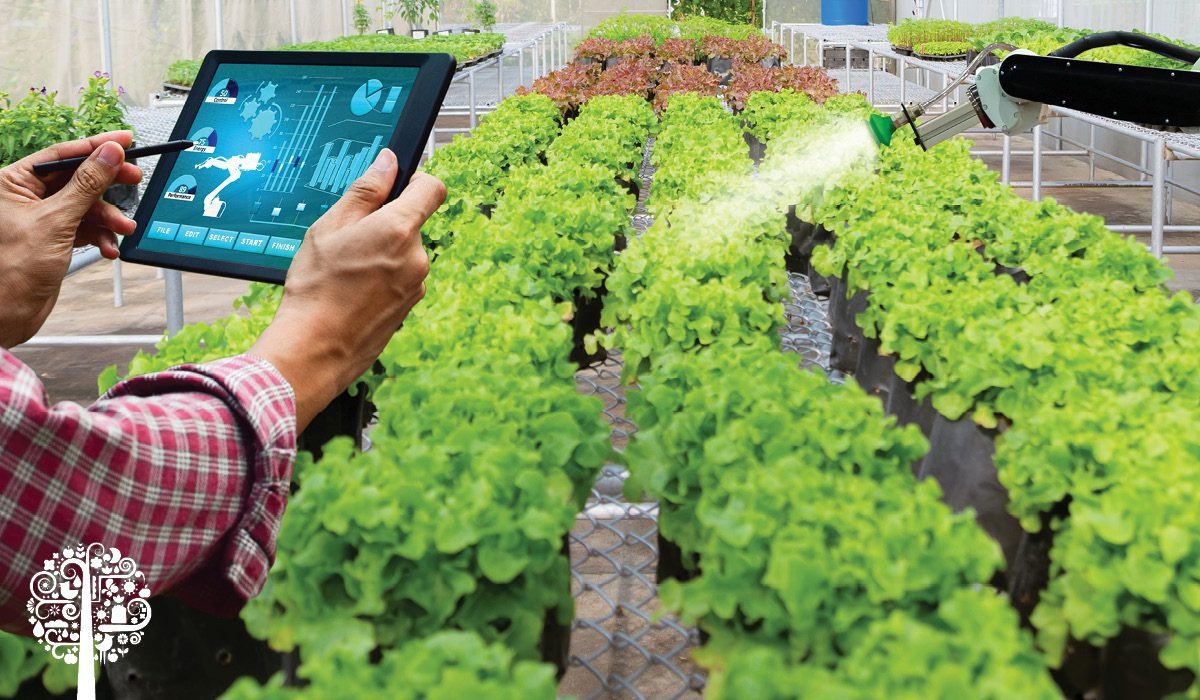




Millennials across cities are embracing urban gardening as a lifestyle choice, transforming rooftops, balconies, and community spaces into thriving green hubs. Driven by sustainability, wellness, and food security, this movement is reshaping urban living. From vertical gardens to smart planters, 2026 has seen a surge in eco-conscious practices among young urban dwellers.
A Growing Lifestyle Movement
Urban gardening is no longer a niche hobby but a mainstream trend. With over 60% of the global population living in cities, millennials are finding creative ways to reconnect with nature. Rooftop gardens, balcony farms, and vertical greenery are becoming common, offering both aesthetic appeal and practical benefits.
Technology And Sustainability
Smart gardening tools, self-watering systems, and low-maintenance designs are making urban gardening accessible to busy professionals. Millennials are particularly drawn to edible landscapes, growing herbs, vegetables, and fruits at home to reduce dependence on commercial supply chains. This aligns with their focus on sustainable living and healthier food choices.
Community And Cultural Impact
Community gardens are fostering collaboration and social bonding, while also addressing urban food insecurity. These spaces are not just about plants but about creating shared experiences, promoting eco-awareness, and encouraging sustainable practices among city residents.
Key Highlights
-
Urban gardening trend growing rapidly among millennials
-
Rooftops, balconies, and vertical gardens transforming city spaces
-
Smart tools and low-maintenance designs driving adoption
-
Focus on edible landscapes for sustainable food choices
-
Community gardens fostering collaboration and eco-awareness
Sources: Community Gardening™, ELLE Decor, DripWorks