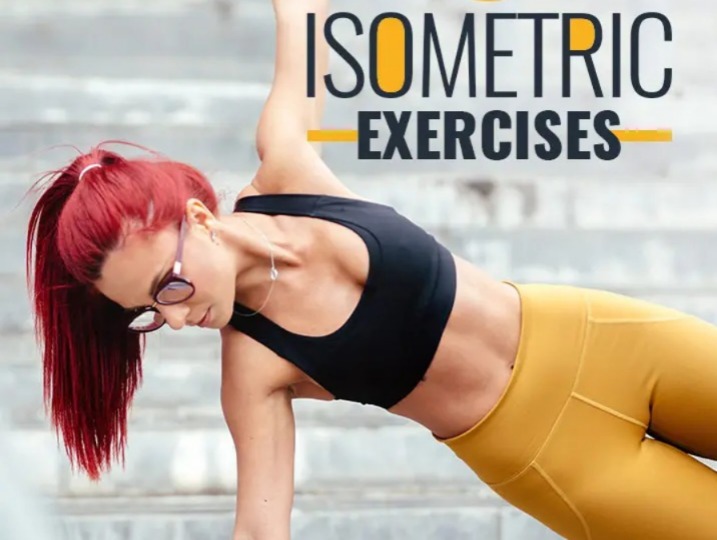



Isometric exercises, which involve holding muscles under tension without movement, are increasingly recognized in 2026 as one of the most efficient fitness regimes. New research highlights their benefits in strength, endurance, posture, and injury prevention, making them a versatile option for athletes and everyday fitness enthusiasts.
Fitness experts are turning renewed attention to isometric training, a static form of exercise long used in rehabilitation and strength programs. With minimal equipment and adaptable routines, isometric exercises are gaining popularity as a time-efficient and effective workout method.
What Is Isometric Training
Isometric exercises involve contracting muscles without changing their length or moving joints. Examples include planks, wall sits, and squat holds. Unlike dynamic workouts, these exercises rely on sustained tension, building stability and control.
Benefits Of Isometric Exercises
Recent studies show that isometric training improves muscle endurance, strengthens connective tissues, and enhances posture. It is particularly effective for athletes seeking positional strength and for individuals recovering from injuries.
Applications In Modern Fitness
Isometric exercises can be performed anywhere, making them ideal for busy schedules. They complement dynamic workouts, offering balance between movement and stability. From sports performance to daily fitness, their versatility is driving adoption worldwide.
Key Highlights
-
Isometric exercises involve static muscle contractions
-
Boost strength, endurance, and posture
-
Effective for rehabilitation and injury prevention
-
Require minimal equipment, can be done anywhere
-
Complement dynamic workouts for balanced fitness
Sources: The Body Blueprint, Weaverex, Rick Delarosa Blog