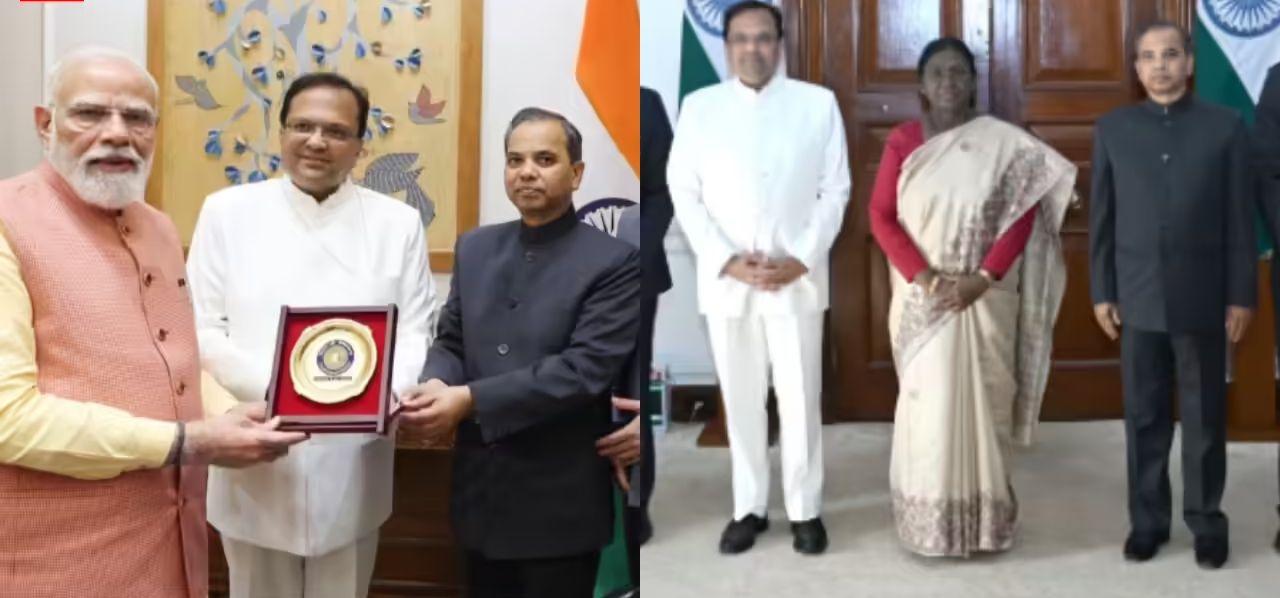




India’s Census 2027 has officially begun with Prime Minister Narendra Modi and President Droupadi Murmu completing self-enumeration. The exercise, conducted digitally for the first time, covers house listing and housing operations. Citizens can now self-enumerate household details via a secure portal, marking a historic modernization of India’s census process.
The Census 2027 is India’s 16th national census and the first to be conducted entirely through digital means. The government has opened a 15-day self-enumeration window across eight states and Union Territories, including Delhi, enabling citizens to participate directly online.
Digital Transformation
For the first time in 150 years, India’s census has moved away from paper-based surveys. Citizens can now log into a secure portal to enter household details, ensuring faster, more accurate, and transparent data collection.
Leadership Participation
Prime Minister Modi and President Murmu led by example, completing their self-enumeration on April 1. Modi emphasized that the digital census empowers citizens to take part in shaping India’s demographic record.
Strategic Importance
The digital census will provide real-time, accurate demographic data crucial for policy-making in housing, infrastructure, healthcare, and education. It also reduces logistical challenges and costs associated with traditional enumeration.
Key Highlights
• PM Modi and President Murmu complete self-enumeration for Census 2027
• India’s first fully digital census replaces paper-based surveys
• Self-enumeration window open for 15 days in eight states and UTs
• Citizens can submit household details via secure online portal
• Census data to guide housing, infrastructure, and welfare policies
Sources: Moneycontrol, Deccan Herald, Times Now, Prime Minister of India, DD News