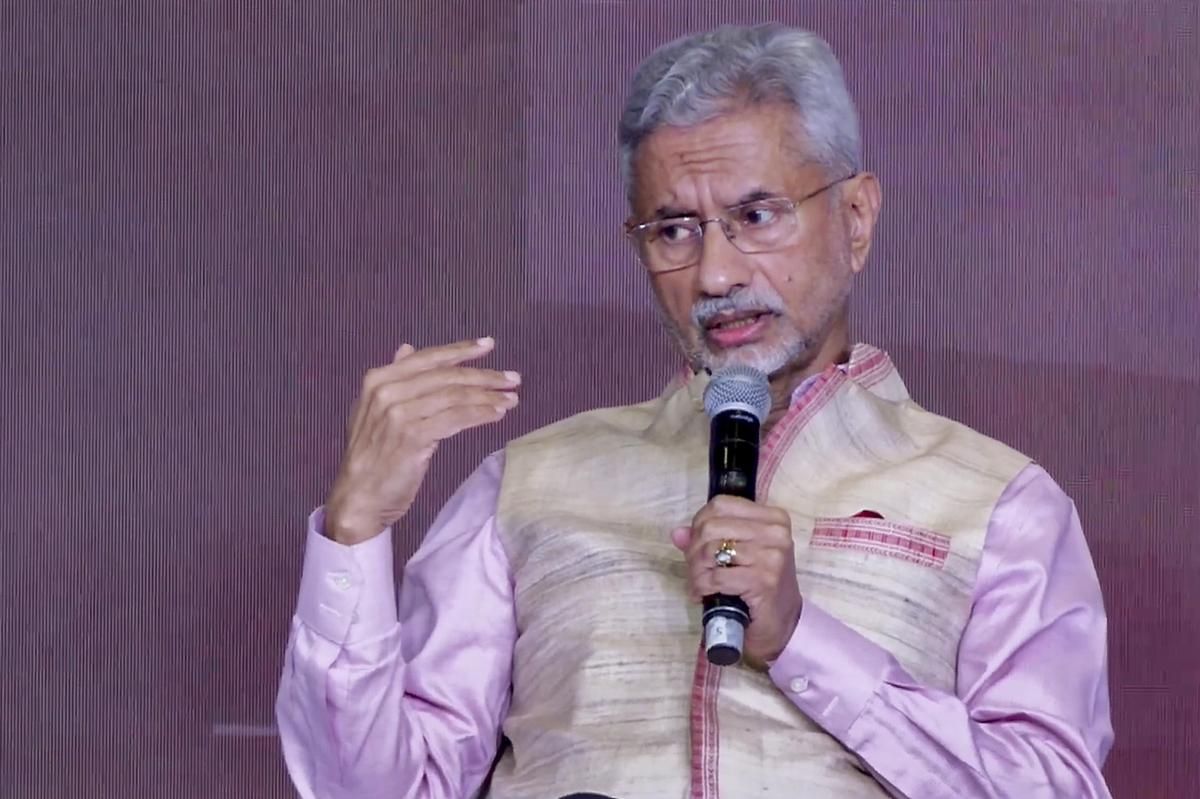



Speaking at the Raisina Dialogue 2026 in New Delhi, Jaishankar addressed growing debates about foreign military presence in the Indian Ocean. His remarks came days after the US submarine strike on Iran’s warship IRIS Dena, which heightened regional tensions. India’s decision to provide safe harbour to another Iranian vessel was explained as both humanitarian and strategic.
India’s Humanitarian Gesture
Jaishankar clarified that the Iranian ship allowed to dock in Kochi was part of an international fleet review but got caught in the wrong circumstances. India’s response, he said, was guided by humanitarian considerations and international law, emphasizing that the country acted responsibly in line with UNCLOS.
Strategic Realities Of The Indian Ocean
The minister noted that foreign military presence in the Indian Ocean is not new, and India must navigate these realities with pragmatism. He highlighted India’s growing role as a net security provider in the region, ensuring maritime safety for commercial vessels, many of which carry Indian crew.
Key Highlights
• US Navy sank Iranian warship IRIS Dena near Sri Lanka
• India allowed another Iranian vessel to dock in Kochi on humanitarian grounds
• Jaishankar emphasized adherence to UNCLOS and international law
• Indian Ocean realities include longstanding foreign military presence
• India positions itself as a net security provider in the region
Conclusion
Jaishankar’s remarks underline India’s balanced approach to maritime security—combining humanitarian responsibility with strategic awareness. As tensions rise in the Indian Ocean, India seeks to reinforce its image as a stabilizing force, committed to both international law and the safety of its citizens at sea.
Sources: India TV News, Moneycontrol, The Hindu, Times of India, The Statesman, Rediff