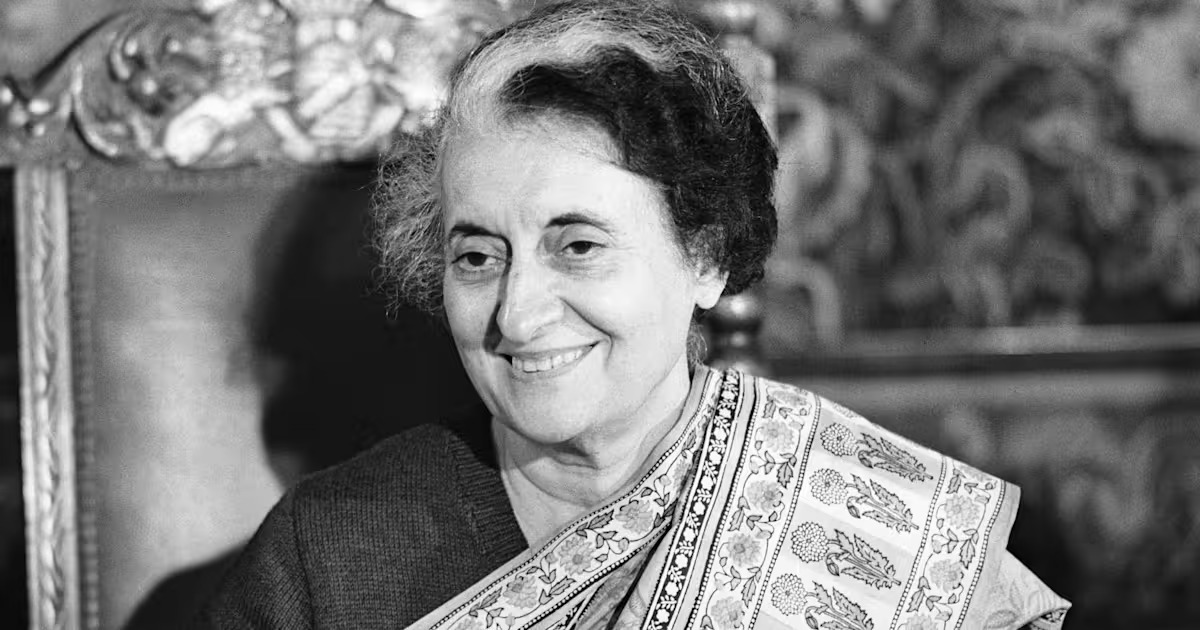





In January 1966, India faced political upheaval following Prime Minister Lal Bahadur Shastri’s sudden death in Tashkent. Amid factional battles within the Congress Party, Indira Gandhi emerged as the compromise candidate, becoming India’s first woman Prime Minister. Her appointment marked a turning point in Indian politics, shaping decades of governance.
Political Context
The month of January 1966 was marked by shock and uncertainty. Shastri’s unexpected demise on January 11 left the Congress Party scrambling for leadership. The party was divided between senior leader Morarji Desai, representing the old guard, and Indira Gandhi, then serving as Information and Broadcasting Minister.
Congress Party Decision
The Congress Parliamentary Party convened to decide the successor. While Desai had strong support among traditionalists, Gandhi was seen as a younger, less polarizing figure who could unite factions. Backed by party president K. Kamaraj’s “Syndicate,” Gandhi was chosen as the compromise candidate, sworn in on January 19, 1966.
Key Highlights
-
Indira Gandhi became India’s first woman Prime Minister on January 19, 1966
-
Her appointment followed Lal Bahadur Shastri’s sudden death in Tashkent on January 11
-
Congress Party was split between Morarji Desai and Indira Gandhi as contenders
-
K. Kamaraj’s influence and the Syndicate’s support proved decisive in her selection
-
She was sworn in as head of government on January 24, 1966, forming her first ministry
-
Her rise marked the beginning of a long and controversial political career
Impact And Reflection
Indira Gandhi’s ascent reflected both the turbulence of the time and the Congress Party’s need for unity. Though initially viewed as a weak compromise, she soon consolidated power, redefining Indian politics with her assertive leadership. Her premiership transformed India’s governance, laying the foundation for both admiration and criticism that followed her tenure.
Sources: History.com, Wikipedia, India narrative report