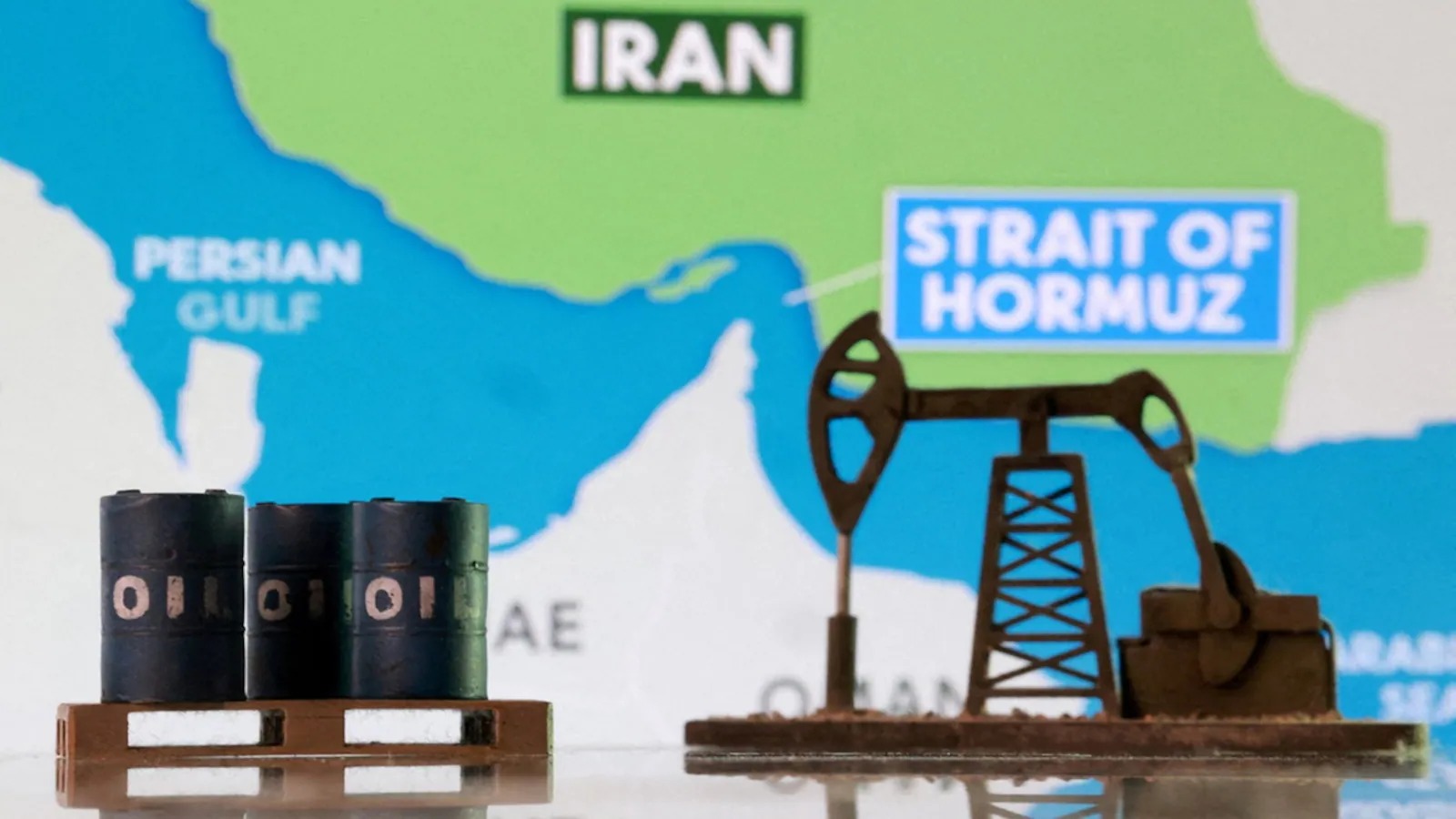






The International Energy Agency (IEA) has cautioned that escalating challenges at the Strait of Hormuz are creating significant and growing risks for global energy markets. Executive Director Fatih Birol emphasized that disruptions in transit and regional instability are intensifying concerns over oil supply security.
The Strait of Hormuz, a critical chokepoint through which nearly one-fifth of the world’s oil passes, has become increasingly vulnerable due to geopolitical tensions. The IEA’s warning underscores the potential for heightened volatility in crude prices and broader economic repercussions if disruptions persist.
Transit Challenges And Market Volatility
With limited alternatives for rerouting shipments, any disruption at the Strait directly impacts global oil flows. Recent instability has already triggered price fluctuations, raising alarm among major importers such as India, China, and Europe.
Global Response And Emergency Measures
Birol noted that IEA member states and G7 finance ministers are evaluating emergency measures, including the release of strategic oil reserves, to stabilize markets. Prolonged disruptions could lead to inflationary pressures, supply shortages, and ripple effects across global trade and energy security.
Key Highlights
-
IEA warns of rising risks at Strait of Hormuz
-
Nearly 20% of global oil supply passes through the corridor
-
Transit disruptions already impacting crude prices
-
Emergency stock releases under consideration
-
Potential consequences for India, China, and Europe
Sources: IEA statements, global energy reports, financial news updates