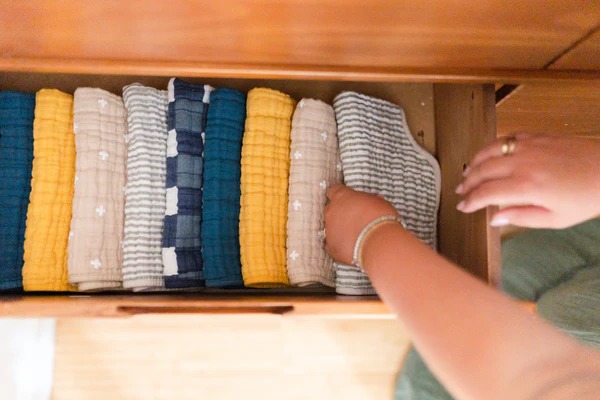





As winter transitions to spring, storing clothing correctly ensures longevity and freshness. Experts recommend cleaning garments before packing, using airtight containers, and adding natural repellents like cedar or lavender. Proper storage prevents mold, pests, and wrinkles, keeping sweaters, coats, and boots in excellent condition for the next cold season.
With the winter season drawing to a close, it’s time to prepare your wardrobe for storage. Properly storing winter clothing not only saves space but also protects your garments from damage, ensuring they remain fresh and ready when the cold returns.
The first step is preparation. All winter clothes should be thoroughly cleaned and dried before storage to prevent stains from setting and to avoid mold or mildew. Woolens, jackets, and heavy coats benefit from professional cleaning, while sweaters and scarves can be washed at home.
Once cleaned, choose the right storage solutions. Airtight containers or vacuum-sealed bags are ideal for keeping moisture and pests away. Cedar chips or lavender sachets can be added to repel moths and keep clothes smelling pleasant. Avoid mothballs, as they can leave strong odors and chemical residue.
Key highlights for proper storage include
-
Clean and dry all garments before packing to prevent mold and stains
-
Use airtight containers or vacuum-sealed bags for maximum protection
-
Add cedar chips or lavender sachets to repel pests and maintain freshness
-
Store in a cool, dry, and dark place to avoid fabric damage
-
Hang heavier coats on sturdy hangers, but fold sweaters to prevent stretching
-
Check storage occasionally to ensure garments remain in good condition
Industry experts emphasize that improper storage can lead to permanent damage, including fabric weakening, discoloration, or pest infestation. By following these steps, you can safeguard your winter wardrobe and ensure it remains in excellent shape for the next season.
Sources: Upgraded Home, Minify Self Storage, Harley Carr’s Winter Clothing Storage Guide