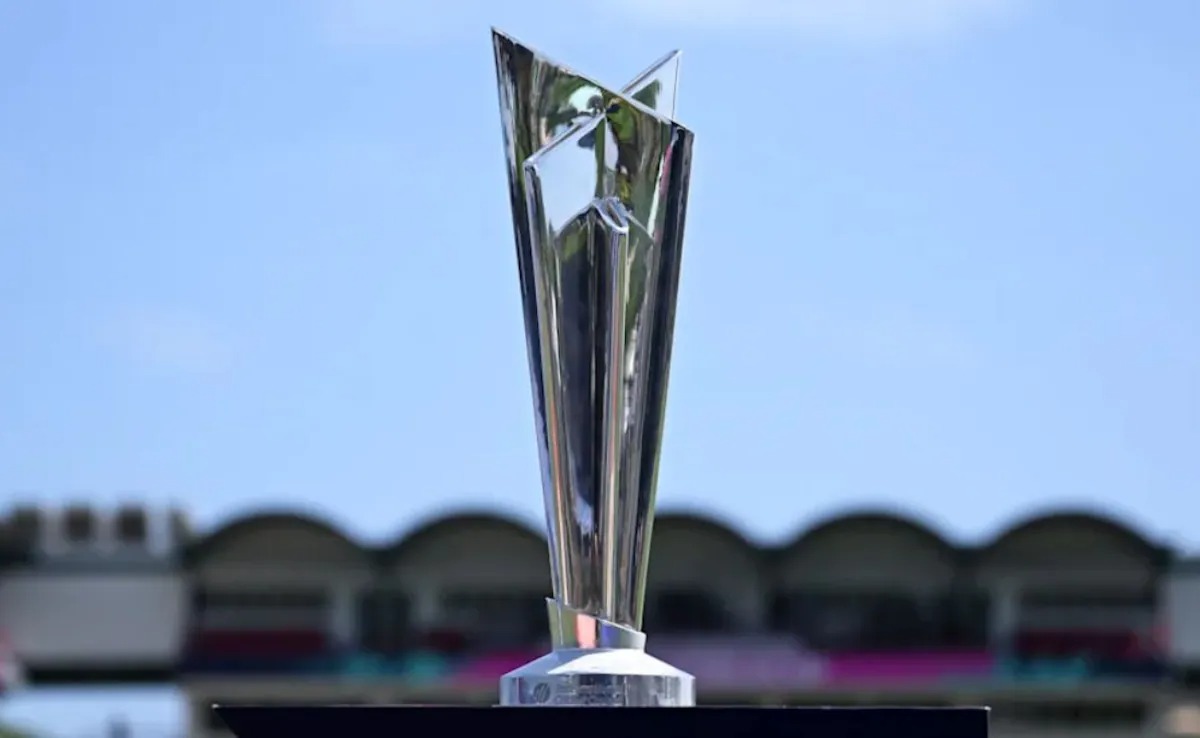






The ICC Men’s T20 World Cup trophy, weighing 6 kg and standing 21 inches tall, was crafted in Jaipur by designer Amit Pabuwal. First commissioned in 2007, the trophy blends silver and platinum plating. Its creation highlights India’s craftsmanship, giving Jaipur a proud place in cricket’s global legacy.
Origin & Craftsmanship:
-
The trophy was crafted in Jaipur by Amit Pabuwal, a celebrated trophy designer.
-
The initial design concept was prepared by Australia’s Minale Bryce, later entrusted to Pabuwal for execution.
Physical Details:
-
Height: 21 inches.
-
Weight: 6 kilograms.
-
Material: Silver with platinum plating, giving it a striking shine and durability.
Historical Context:
-
The design outline was finalized in 2007, the year of the inaugural ICC Men’s T20 World Cup.
-
Since then, the trophy has been awarded to champions, symbolizing speed, energy, and modern cricketing spirit.
Jaipur’s Pride:
-
The city, known for its heritage artistry and metalwork, now has a permanent place in cricket history.
-
Pabuwal’s craftsmanship has been praised for blending traditional Indian artistry with modern design aesthetics.
Why This Matters
The T20 World Cup trophy is not just a sporting symbol — it represents India’s global contribution to cricket culture and design excellence. For Jaipur, it is a matter of pride, showcasing how local craftsmanship can gain international recognition.
For cricket fans, knowing the trophy’s origin adds depth to the excitement of the tournament. Each time it is lifted, it reflects not only victory but also the artistry of Indian hands behind its creation.
Conclusion
The ICC Men’s T20 World Cup trophy, weighing 6 kg and crafted in Jaipur, is more than a prize — it is a fusion of Indian craftsmanship and global cricketing prestige. Amit Pabuwal’s work ensures that every champion lifting it also celebrates India’s artistry on the world stage.
Sources: NDTV Sports, The Economic Times, DT Next