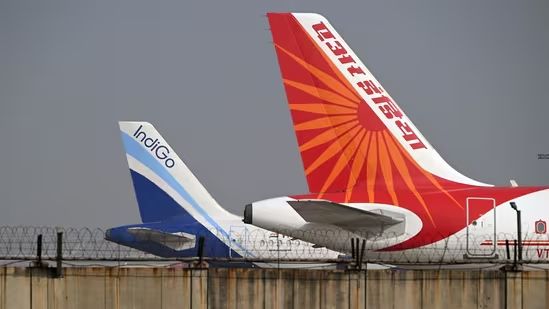



Indian carriers Air India and IndiGo are adopting different strategies to maintain connectivity with Europe following disruptions caused by the ongoing Iran-Israel conflict and regional airspace closures. While Air India is adding extra flights to Europe, IndiGo faces detours and operational challenges, leading to cancellations and extended travel times.
Introduction To The Situation
The Middle East conflict has forced airlines to reroute flights, avoid restricted airspace, and adjust schedules. Indian carriers, heavily reliant on West Asian corridors for Europe-bound services, are among those most affected, with passengers experiencing delays and cancellations.
Air India’s Strategy
Air India has announced 78 additional flights between March 10 and March 18 from New Delhi and Mumbai to destinations such as Amsterdam, London, and Frankfurt. The airline is leveraging its larger fleet and long-haul capabilities to ensure continuity of service despite longer detours.
IndiGo’s Challenges
IndiGo, operating leased Boeing 787s from Norwegian carrier Norse, has grounded its Europe-bound fleet due to restrictions imposed by the European Union Aviation Safety Agency and Pakistan’s airspace ban. This has led to cancellations of flights to London, Manchester, and Amsterdam, with rerouting adding up to three hours on certain services.
Passenger Impact
Both airlines are offering rebooking and refunds to affected passengers. However, travelers are advised to check schedules in advance as rerouting may involve technical stops and extended journey times.
Key Highlights
• Air India adding 78 extra flights to Europe between March 10–18
• IndiGo grounds Europe-bound fleet due to airspace restrictions
• Rerouting adds up to three hours on long-haul services
• Passengers offered rebooking and refunds amid cancellations
• Conflict-driven airspace closures disrupt Indian carriers’ Europe operations
Sources: Aviation Week Network, AirHelp, The Hindu