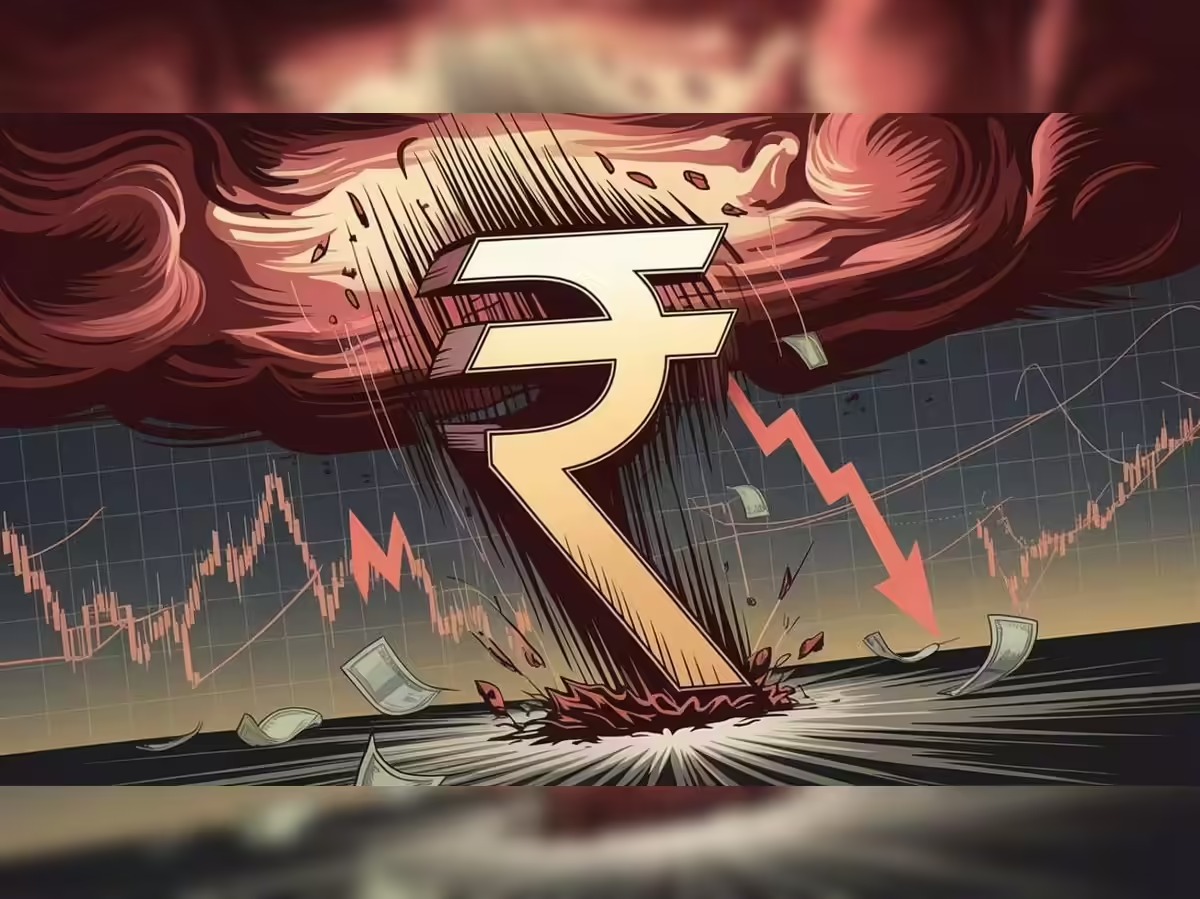




The Indian rupee recorded its steepest single-day depreciation in more than four years, closing at a record low of 93.71 per US dollar on March 20. The currency fell 1.17% from its previous close of 92.63, pressured by strong dollar demand and global market volatility.
Currency markets witnessed heavy selling as the rupee extended losses against the US dollar. Traders pointed to foreign fund outflows, rising crude oil prices, and persistent global uncertainties as key factors driving the sharp decline.
Global Dollar Strength
The US dollar index remained firm, supported by expectations of prolonged higher interest rates by the Federal Reserve. This strength reduced investor appetite for emerging market currencies, including the rupee.
Impact On Trade And Economy
The rupee’s fall raises concerns over India’s import bill, particularly for crude oil, which could widen the trade deficit. A weaker currency also adds inflationary pressure, impacting consumer prices and corporate margins.
Market Outlook
Analysts expect continued volatility in the near term, with the rupee likely to test further lows if global conditions remain unfavorable. Intervention by the Reserve Bank of India may provide temporary relief, but external factors remain dominant.
Key Highlights
-
Rupee closes at record low of 93.71 per US dollar
-
Falls 1.17% in sharpest single-day drop in four years
-
Strong dollar demand and Fed policy weigh on sentiment
-
Crude oil prices add import pressure
-
RBI intervention may stabilize short-term volatility
Sources: Reuters, Economic Times, Mint