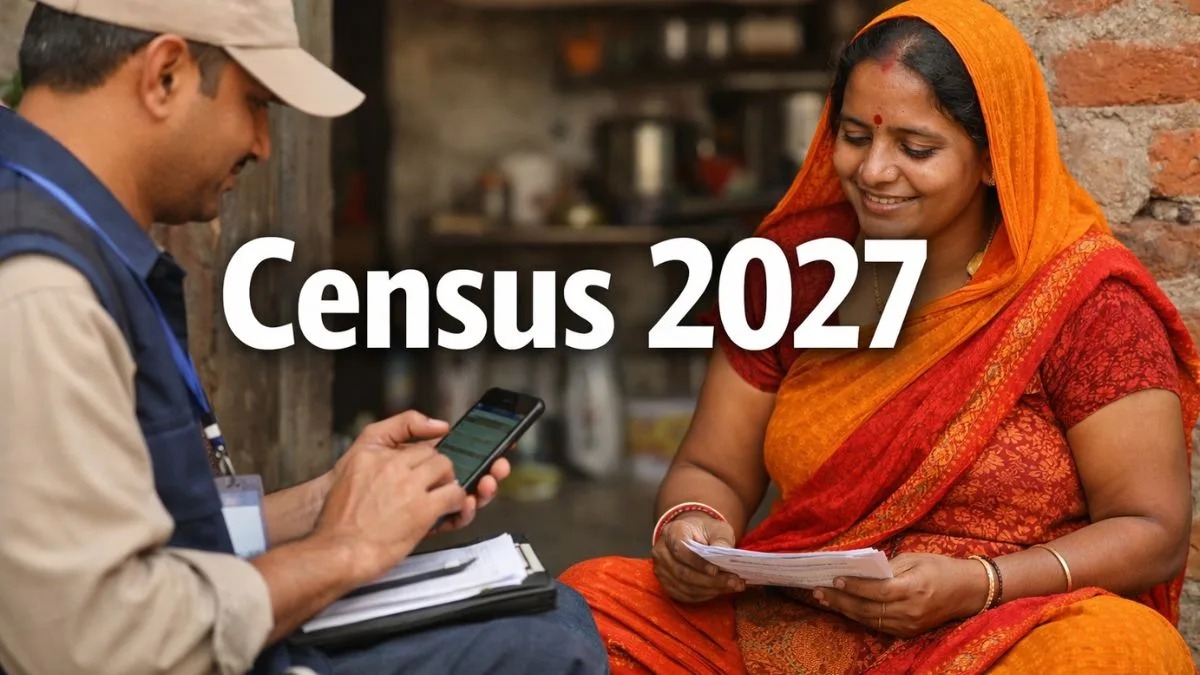







India has officially begun the world’s largest and its first digitally conducted census today. The landmark exercise leverages advanced technology to collect demographic data more efficiently, aiming to enhance accuracy, transparency, and speed in population statistics while shaping future policies and development strategies.
The Ministry of Home Affairs announced the commencement of India’s first digital census, marking a historic shift from traditional paper-based enumeration. The exercise is expected to cover over 1.4 billion citizens, making it the largest census ever conducted globally.
Digital Transformation
For the first time, census officials will use mobile applications and digital platforms to record household and demographic data. This transition is designed to reduce errors, improve real-time monitoring, and streamline data compilation.
Policy Significance
The census will provide critical insights into population distribution, socio-economic conditions, and resource allocation. Policymakers are expected to use the data to plan infrastructure, healthcare, education, and welfare programs more effectively.
Global Benchmark
India’s digital census sets a precedent for large-scale data collection worldwide. Experts believe the initiative will serve as a model for other nations seeking to modernize their census processes.
Key Highlights
-
India begins world’s largest digital census
-
First census conducted entirely through digital platforms
-
Covers over 1.4 billion citizens nationwide
-
Data to guide infrastructure, healthcare, and welfare planning
-
Sets global benchmark for digital enumeration
Sources: Economic Times, Business Standard, Ministry of Home Affairs release