
Indian abstract art is often associated with million-dollar works by VS Gaitonde and Ram Kumar, but practitioners emphasize that true appreciation lies in engaging with the emotions, philosophies, and cultural contexts behind the art. Beyond auctions, emerging artists and regional practices offer accessible entry points for enthusiasts.
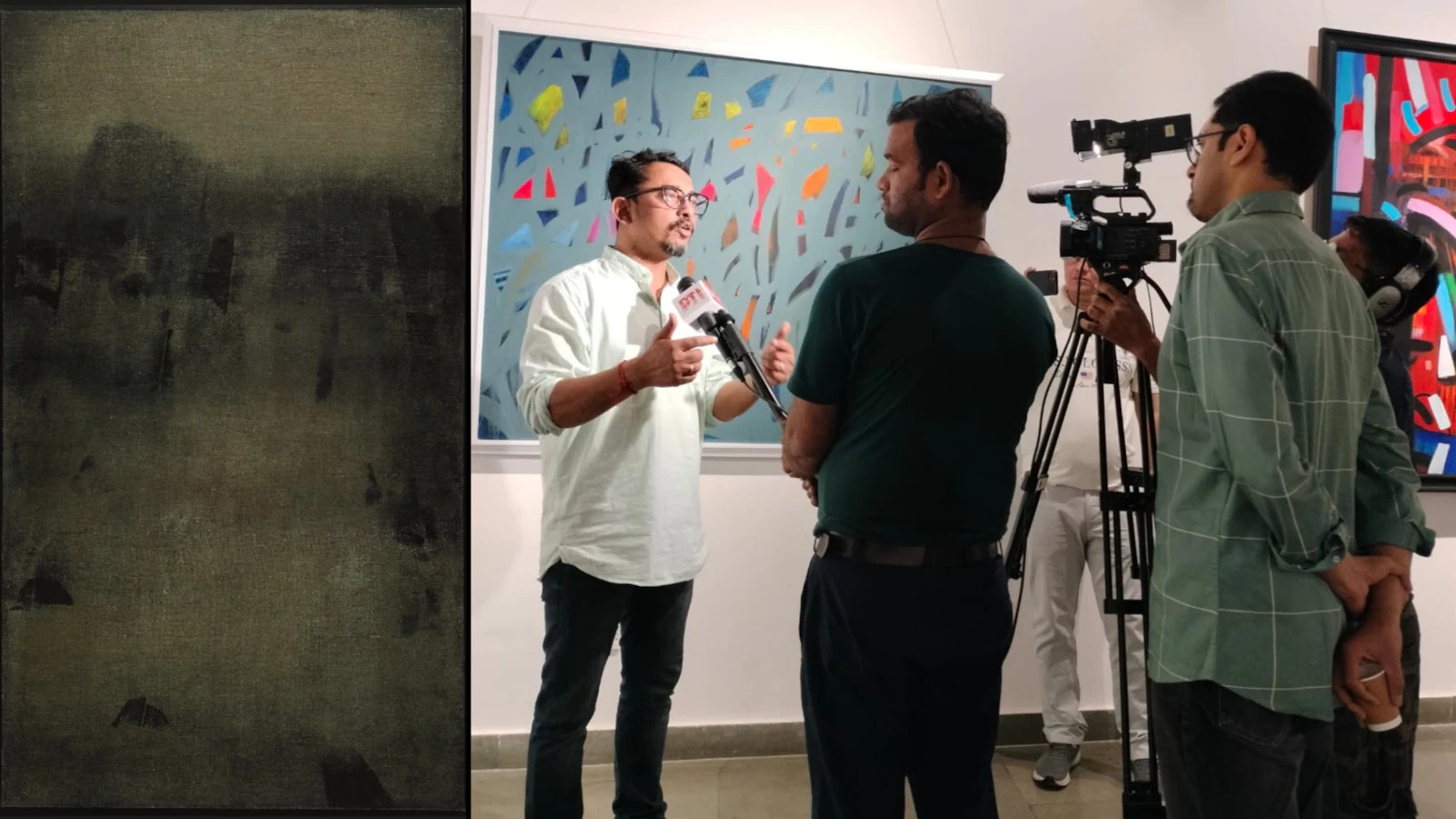
While Gaitonde and Ram Kumar dominate headlines with record-breaking auction sales, Indian abstract art extends far beyond these names. Practitioners like Bappaditya Roy Chowdhury encourage viewers to focus on what abstract works make them feel, rather than searching for literal representation.
Understanding Abstract Art
Abstract art in India is deeply rooted in philosophical traditions such as śūnyatā (emptiness), rasa (aesthetic essence), and advaita (non-duality). These concepts shape works that are less about form and more about inner experience, spirituality, and cultural narratives.
Beyond The Big Names
Artists like Nasreen Mohammedi, Jeram Patel, and younger practitioners are redefining abstraction with fresh perspectives. Their works, often exhibited in smaller galleries, provide affordable and thought-provoking alternatives to auction pieces.
Practical Ways To Engage
Attend exhibitions at regional galleries, explore contemporary collectives, and engage directly with artists. Abstract art appreciation grows when viewers ask: “What does this make me feel?” rather than “What does this represent?”
Key Highlights
-
Indian abstract art rooted in philosophy and spirituality
-
Practitioners urge focus on emotion over representation
-
Nasreen Mohammedi and Jeram Patel among notable names
-
Regional galleries showcase affordable contemporary works
-
Abstract art appreciation linked to personal engagement
Sources: Moneycontrol, Frontline, Academic Studies On Indian Abstract Art