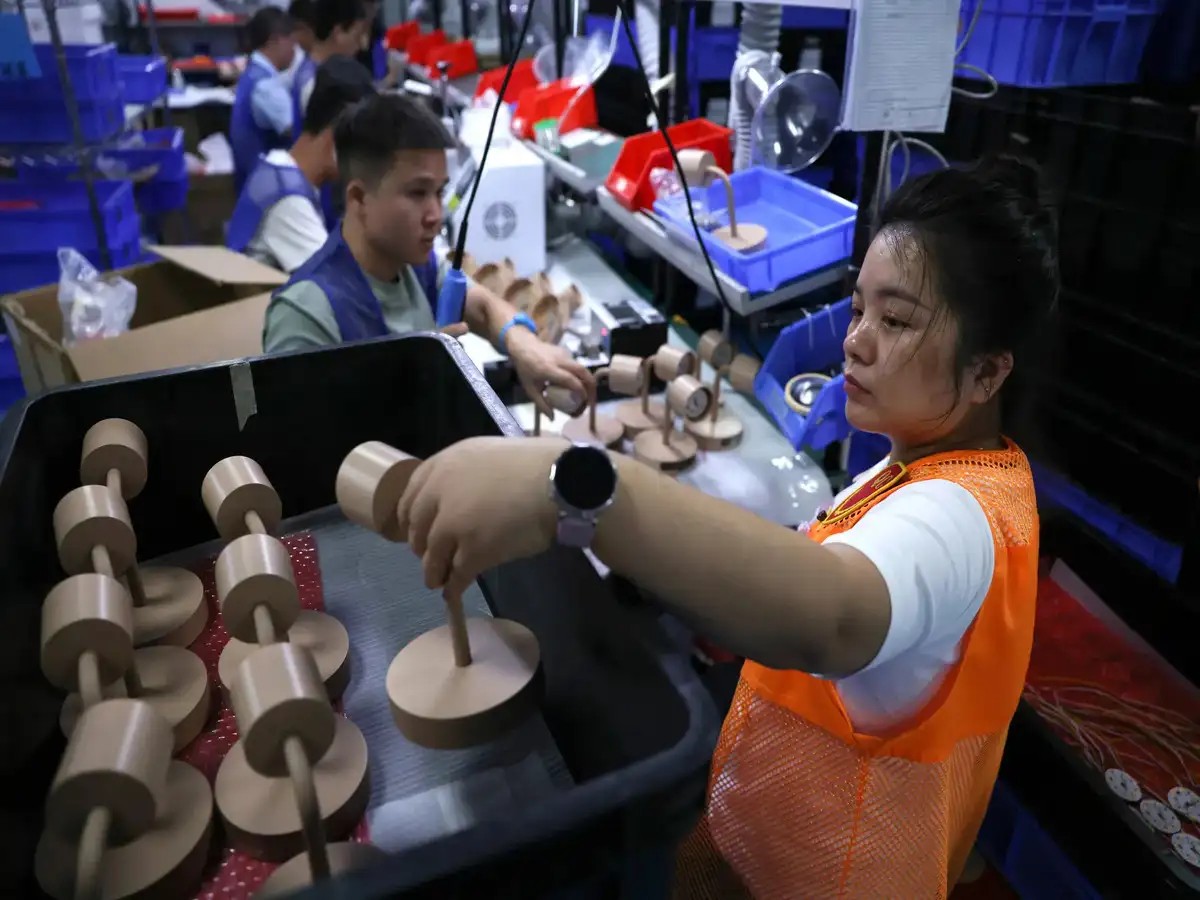

Agilian Technology, a 30‑million‑dollar‑a‑year electronics manufacturer in Dongguan, China, has turned trade turbulence into opportunity. Despite steep US tariffs that froze orders and pushed clients toward offshoring, the factory adapted by diversifying customers, strengthening its supply‑chain resilience, and leveraging China’s strategic export‑control moves, ultimately emerging as a case study in surviving and thriving in a fragmented global trade environment.
Agilian Technology, whose US‑bound exports once accounted for more than half its revenue, faced a near‑crippling shock in 2025 when Donald Trump’s tariffs slammed Chinese manufacturing. Orders froze for months, buyers demanded shifts to non‑China production, and uncertainty clouded the entire supply chain. Yet by late 2025, as trade tensions eased slightly, Agilian reported its busiest production period, with hours up nearly 30 percent in the second half of the year.
How Tariffs Hit Operations
Trump’s higher‑than‑expected levies on Chinese goods disrupted pricing and logistics for manufacturers like Agilian, which supplies components to sectors including automotive, defence, and consumer electronics. The tariffs forced customers to levy surcharges, delay shipments, or explore alternative suppliers, pushing Agilian into a race to renegotiate contracts and prove that its Dongguan base remained cost‑efficient despite the friction. At the same time, China’s official manufacturing activity contracted for much of 2025, amplifying the pressure on export‑focused firms.
Strategic Adjustments And Resilience Moves
To buffer against volatility, Agilian diversified its customer base beyond the United States, reducing dependence on a single tariff‑exposed market. The company also began expanding facilities in India and Malaysia, positioning these sites as insurance policies against future geopolitical shocks while maintaining its core in Dongguan, where falling component costs and rising quality kept the location indispensable.
China’s counter‑measures, including export controls on key minerals and metals critical to US industry, helped tilt the leverage balance, indirectly moderating the tariff burden and coaxing some clients back into Chinese‑sourced production. By the time a 10‑percentage‑point tariff reduction emerged from a high‑level US–China meeting, Agilian’s clients were less focused on tariffs and more on stabilising output and supply chains.
Key Highlights
- Agilian Technology, a 30‑million‑dollar‑a‑year Dongguan‑based electronics manufacturer, saw US orders frozen for months under Trump’s tariffs
- The company responded by diversifying customers, exploring offshoring to India and Malaysia, and strengthening its supply‑chain resilience
- China’s export controls on critical materials and a subsequent tariff cut helped ease pressure, enabling Agilian’s strongest production run in 2025
Sources: Economic Times, NDTV, The Straits Times, and related trade‑policy coverage of Agilian Technology and US‑China tariffs