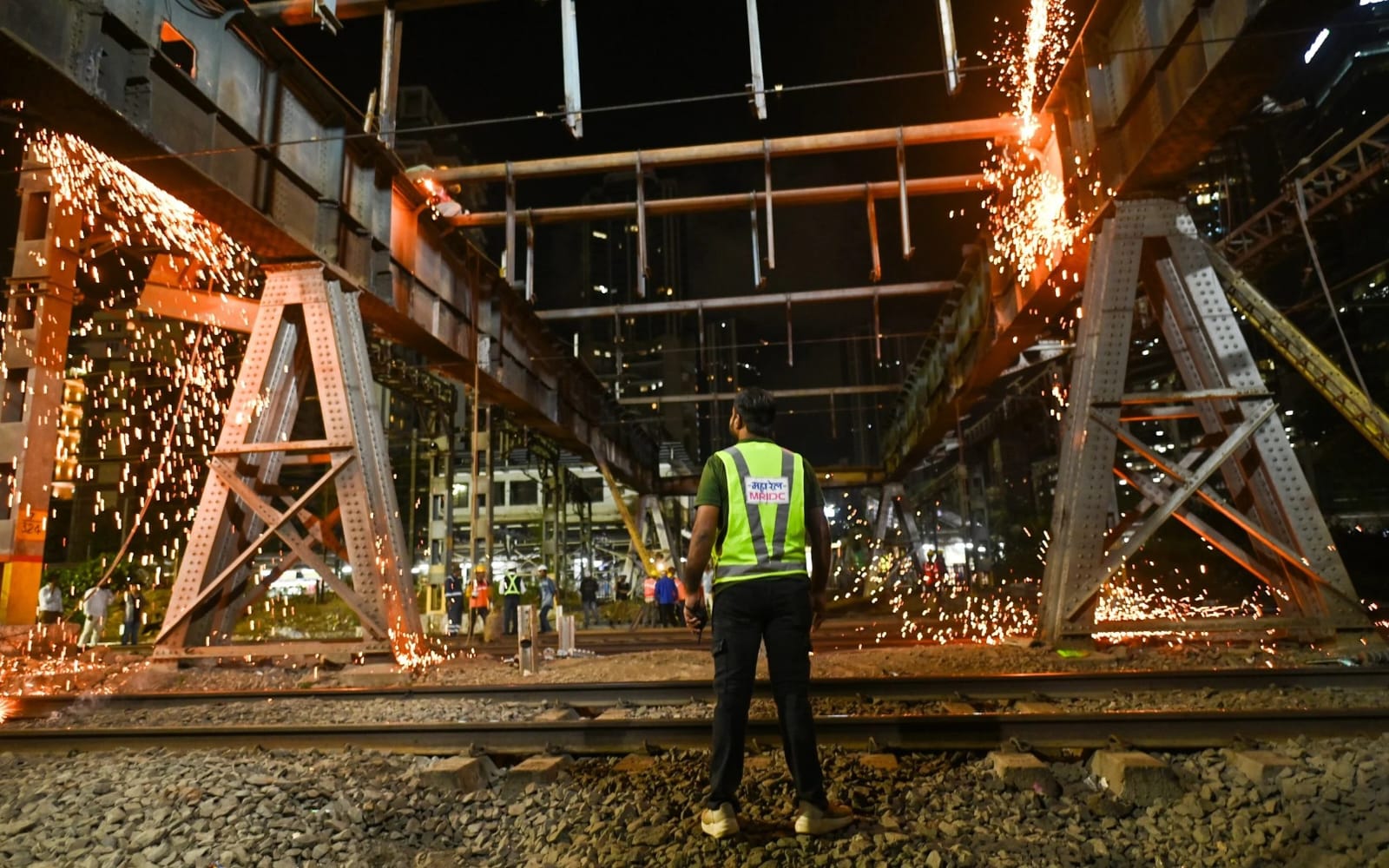

India has demolished the historic Elphinstone Bridge in Mumbai, a British-era structure built in 1913, as part of modernization efforts. Located between Parel and Prabhadevi, the move reflects both infrastructure upgrade priorities and a broader push to phase out colonial-era landmarks across the country.
India has intensified its infrastructure transformation drive with the demolition of a key colonial-era bridge in Mumbai. The decision blends practical urban development goals with a symbolic shift away from British-era remnants.
The Bridge At The Center Of Change
The structure in question is the Elphinstone Road Over Bridge, commonly known as Elphinstone Bridge, located in central Mumbai between Parel and Prabhadevi. Built in 1913 by the Great Indian Peninsula Railway, it served as a vital east–west connector across railway lines for over a century.
The bridge was named after Lord Elphinstone, a British colonial administrator, making it a prominent symbol of colonial-era infrastructure in India.
Why The Bridge Was Demolished
Authorities cited structural aging and safety concerns as the primary reasons for dismantling the bridge. Over time, the century-old structure struggled to handle increasing traffic loads and modern transportation demands.
The demolition is also linked to the Sewri–Worli Connector project, a major urban infrastructure initiative aimed at easing congestion and improving connectivity in Mumbai.
Urban Transformation And Connectivity Boost
The new infrastructure replacing the bridge is designed to significantly enhance traffic flow. Plans include a modern double-decker flyover that will connect key arterial roads and reduce travel time between Sewri and Worli from nearly an hour to about 10 minutes.
This upgrade is part of a larger effort to integrate Mumbai’s road network with projects like the Mumbai Trans Harbour Link, reflecting India’s push toward future-ready urban mobility.
Colonial Legacy Versus Practical Needs
While the demolition has symbolic undertones of shedding colonial legacy, officials emphasize that the primary driver remains modernization and public safety. However, the move has reignited debate among heritage conservationists, who argue that such structures could be preserved as historical assets.
Key Highlights
- Elphinstone Bridge in Mumbai demolished after over 100 years of service
- Located between Parel and Prabhadevi in central Mumbai
- Built in 1913 during British rule by Great Indian Peninsula Railway
- Removal linked to Sewri–Worli Connector infrastructure project
- New double-decker flyover to replace old structure and improve connectivity
As India accelerates infrastructure development, the removal of colonial-era landmarks like the Elphinstone Bridge highlights the nation’s dual focus on modernization and redefining its historical landscape.
Sources: Hindustan Times, Times of India, infrastructure project reports