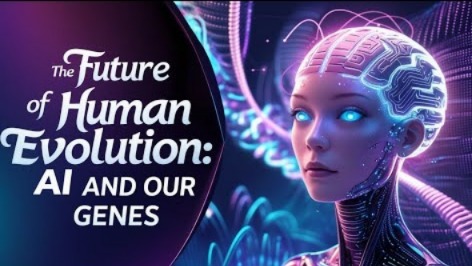




Scientists suggest human evolution could be undergoing a major shift right before our eyes. Advances in technology, medicine, and lifestyle are reshaping survival patterns, genetic traits, and social behaviors, potentially marking a new chapter in how humanity adapts to its environment and future challenges.
Recent studies highlight that human evolution is not a relic of the past but an ongoing process. From genetic adaptations to cultural influences, researchers argue that modern society is accelerating changes in ways that may redefine what it means to be human.
Genetic Adaptations In Modern Times
Medical advances have altered natural selection by allowing individuals with conditions once life-limiting to thrive and reproduce. At the same time, genetic mutations continue to emerge, influencing immunity, metabolism, and even cognitive functions.
Cultural And Technological Influence
Technology and social structures are now powerful drivers of evolution. The rise of digital communication, artificial intelligence, and global interconnectedness is shaping human behavior, learning patterns, and even neurological development.
Future Implications
Experts believe these shifts could lead to new evolutionary pathways, blending biology with technology. This ongoing transformation may redefine human resilience, longevity, and adaptability in the face of global challenges.
Key Highlights
-
Human evolution is ongoing and visible today
-
Medical advances reshape survival and reproduction
-
Genetic mutations influence immunity and cognition
-
Technology drives behavioral and neurological changes
-
Future may blend biology with technology
Sources: National Geographic, Scientific American, Nature Evolution Reports