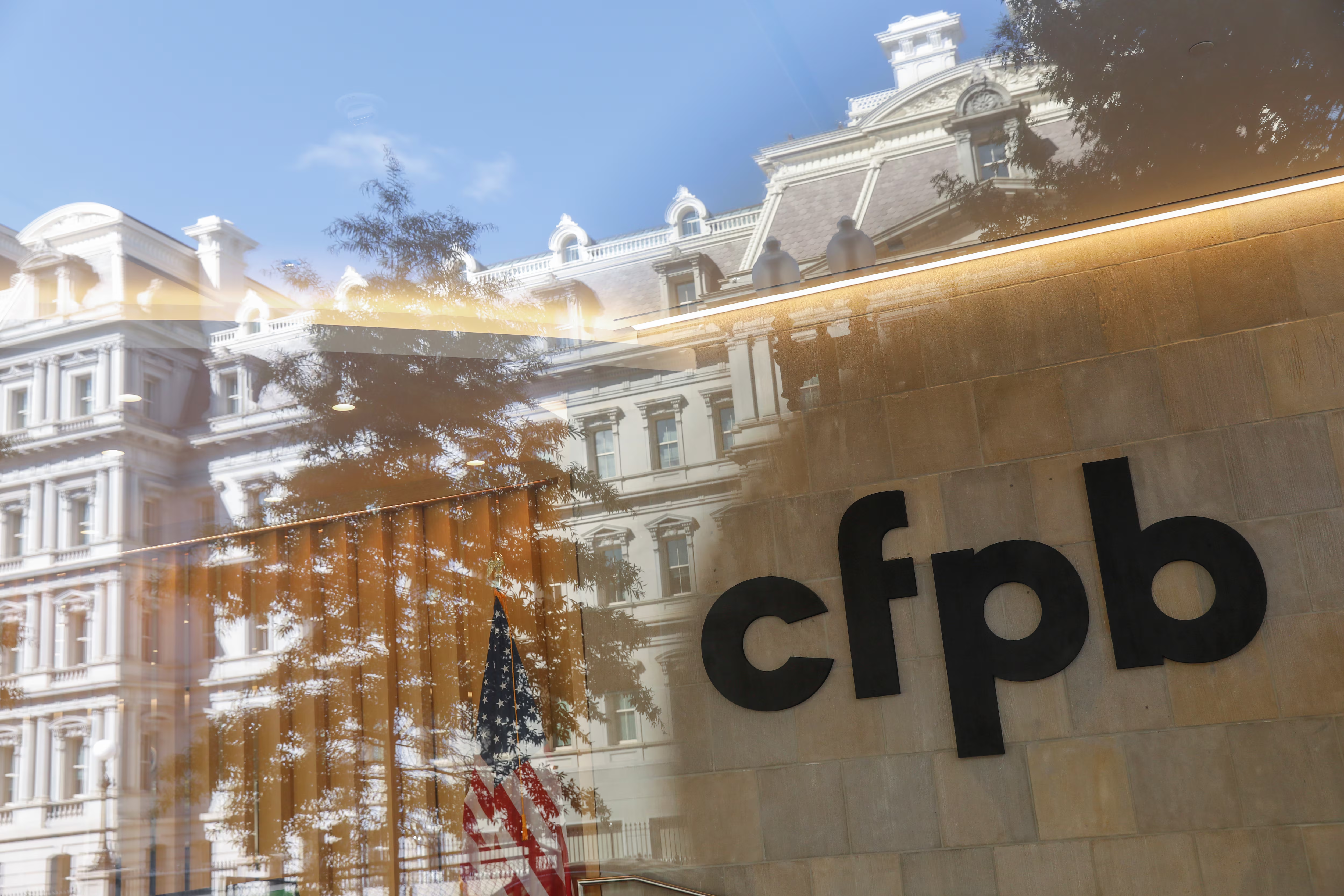

A Texas federal judge has overturned the Consumer Financial Protection Bureau's (CFPB) rule capping credit card late fees at $8 after a joint motion from the CFPB and large banking associations. The move comes after the CFPB admitted it overstepped its congressional mandate, a major about-fac...
A Texas federal judge has overturned the Consumer Financial Protection Bureau's (CFPB) rule capping credit card late fees at $8 after a joint motion from the CFPB and large banking associations. The move comes after the CFPB admitted it overstepped its congressional mandate, a major about-face of a regulation from the Biden administration targeting so-called "junk fees" in the credit card market.
Background of the Rule
-
The CFPB rule, which was completed in 2024, aimed to decrease the maximum permitted late fee on credit cards to $8 from an average of $32 and remove inflationary adjustments annually.
-
The rule was a component of a larger Biden administration effort to decrease consumer expenses and enhance transparency in finance.
Legal Challenge and Settlement
-
The American Bankers Association, the U.S. Chamber of Commerce, and other business organizations sued the CFPB, claiming the agency went beyond its authority under the Credit Card Accountability Responsibility and Disclosure Act (CARD Act).
-
The CFPB conceded in court documents that the rule exceeded the CARD Act and the Administrative Procedure Act, and aligned with the plaintiffs in requesting that the court vacate the rule.
-
U.S. District Judge Mark Pittman granted the joint request, officially vacating the rule on April 15, 2025.
Implications of the Ruling
-
The decision means credit card issuers are no longer subject to the $8 cap and can continue charging higher late fees, which averaged $32 in 2022 and generated about $14.5 billion in annual revenue for issuers.
-
Industry associations had contended that the regulation would have caused additional late payments, decreased credit scores, increased interest rates, and decreased credit access, punishing consumers who paid on time.
-
The CFPB and trade associations consented to drop all claims and bear their own attorneys' fees, the case closed for good in this court.
Political and Regulatory Context
-
The action is a sign of a change in regulatory direction under the Trump administration, which has tried to reverse several Biden-era consumer protection policies.
-
The CFPB leadership change and openness to settling the lawsuit are signs of a wider rethinking of agency actions over the past few years.
Statements from Stakeholders
-
In a shared statement, the banking associations characterized the result "a win for consumers and common sense," contending the rule would have damaged both consumers and the credit market.
-
The CFPB legal team admitted the rule's legal faults and agreed to the settlement without further action.
Sources: ABA Banking Journal, Reuters, American Banker, Bloomberg Law, Payments Dive