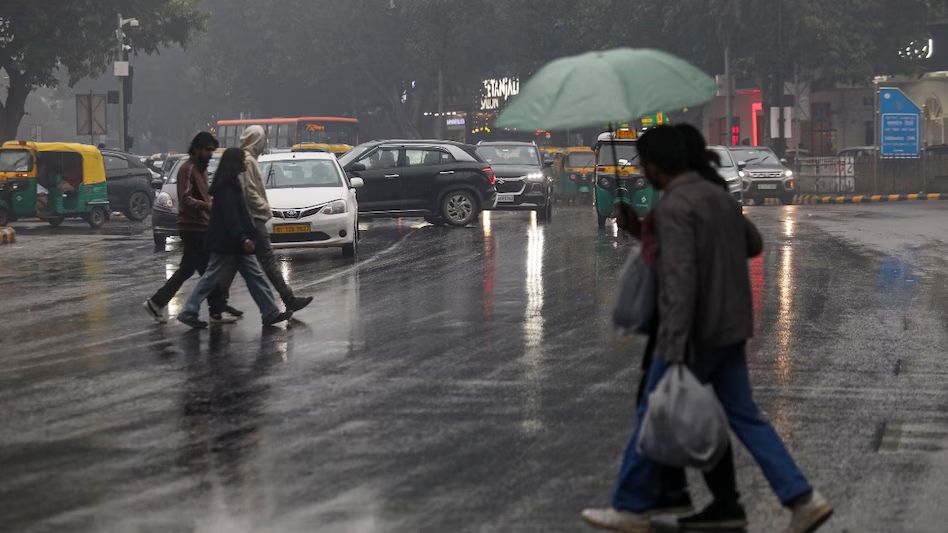






Delhi’s March 2026 was marked by extremes—its hottest in four years, wettest in three years, and most polluted in four years. Average temperatures touched 32.6°C, rainfall neared 20 mm, and the Air Quality Index averaged 181, highlighting the city’s worsening climate volatility.
Delhi experienced a month of weather whiplash in March 2026. From record-breaking heat to heavy rainfall and persistently poor air quality, the capital’s climate conditions underscored the growing challenges of urban resilience and environmental management.
Heat Records
Delhi recorded its hottest March since 2022, with average temperatures of 32.6°C. One week was the hottest in 50 years, with mercury soaring above 35°C.
Rainfall Extremes
Despite the heat, March also turned out to be the wettest in three years, with nearly 20 mm of rainfall recorded at Safdarjung. Thunderstorms and gusty winds under IMD alerts added to the unusual weather mix.
Pollution Levels
Air quality remained poor throughout the month, averaging an AQI of 181, making it the most polluted March in four years. Elevated ozone and particulate matter contributed to the persistent smog despite rainfall.
Key Highlights
• Delhi’s hottest March in four years, averaging 32.6°C
• Wettest March in three years with nearly 20 mm rainfall
• Most polluted March in four years, AQI averaging 181
• IMD issued multiple yellow alerts for thunderstorms and winds
• Climate volatility underscores urgent need for urban resilience
Sources: Hindustan Times, News18, Devdiscourse, NewsBytes