


Dasha Mata Vrat is a revered Hindu observance dedicated to Goddess Dasha Mata, believed to protect families from misfortune and restore prosperity. Celebrated mainly by women in several parts of India, the vrat involves special rituals, storytelling, and prayers seeking peace, stability, and well-being for the household.
Dasha Mata Vrat holds deep cultural and spiritual importance in Hindu tradition, especially among married women praying for family welfare and prosperity. Observed with devotion and ritual discipline, the day symbolizes protection from hardships and the restoration of harmony in life.
What Is Dasha Mata Vrat
Dasha Mata Vrat is a sacred Hindu fast dedicated to Goddess Dasha Mata, who is believed to remove ten types of hardships or misfortunes from devotees’ lives. The word “Dasha” signifies ten, symbolizing protection from ten kinds of troubles such as financial instability, health issues, and family conflicts.
The vrat is widely observed in states like Rajasthan, Madhya Pradesh, Gujarat, and parts of North India. Married women typically observe the fast, praying for the well-being, prosperity, and longevity of their families.
The Legend Behind Dasha Mata Vrat
The story associated with Dasha Mata Vrat narrates how a prosperous king once ignored the rituals dedicated to Goddess Dasha Mata. As a result, his kingdom faced severe hardships and misfortune. Upon realizing his mistake, the king worshipped the goddess with sincere devotion and observed the vrat. Gradually, prosperity returned to his kingdom.
This legend emphasizes the spiritual belief that honoring the goddess brings stability, protection, and good fortune.
Rituals Followed During The Vrat
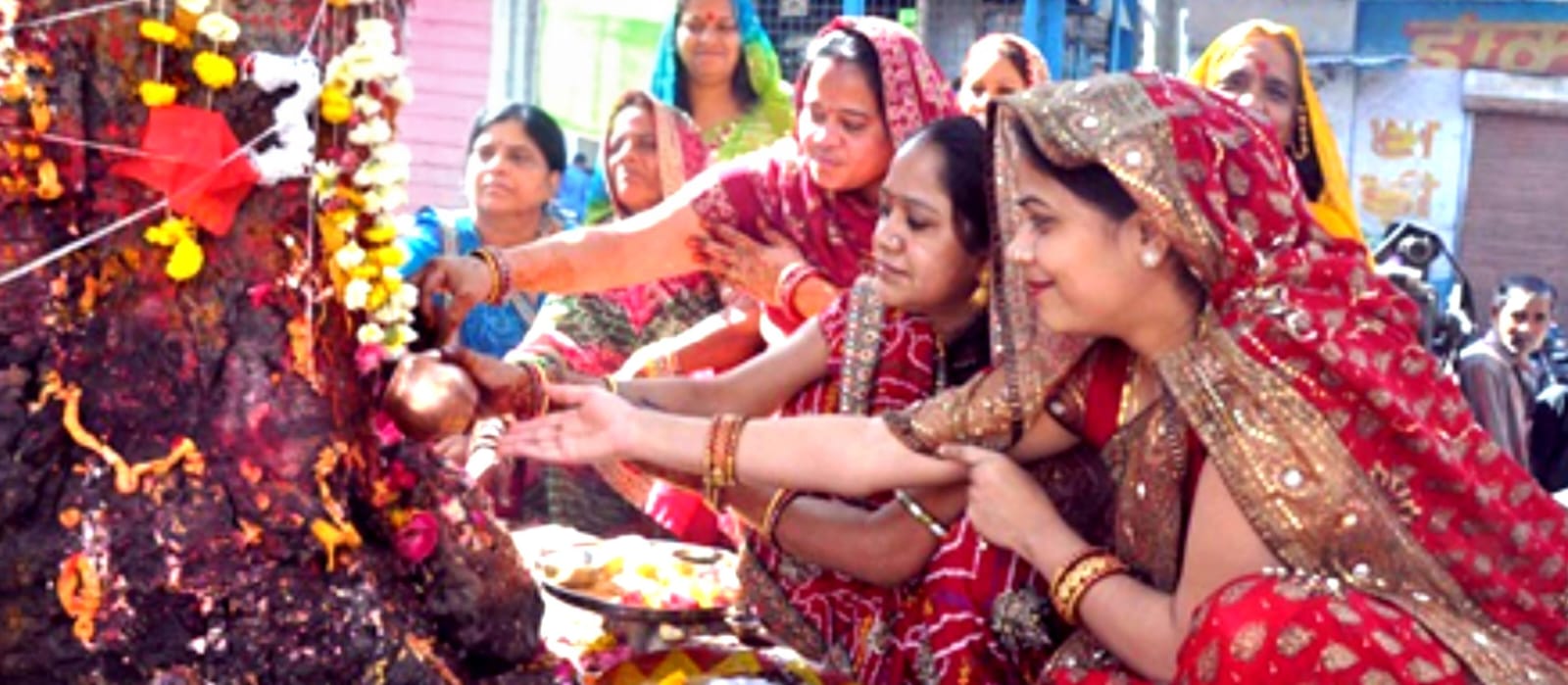
Devotees begin the day with an early morning bath and clean their homes and prayer areas. A sacred thread with ten knots, known as “Dasha Mata ki dori,” is worshipped and tied around a tree, usually a peepal tree, or kept in the home shrine.
Women listen to or recite the Dasha Mata Vrat Katha (sacred story) and perform prayers offering flowers, turmeric, rice, and sweets. Many observers maintain a day-long fast and break it after completing the evening prayers.
Significance Of Dasha Mata Vrat
The vrat is believed to safeguard households from negative influences and ensure stability in family life. Devotees also believe that the rituals help remove obstacles, protect relationships, and invite prosperity.
In many communities, the vrat also symbolizes gratitude, discipline, and faith in divine protection.
Key Highlights
-
Dasha Mata Vrat is dedicated to Goddess Dasha Mata, protector from ten forms of misfortune
-
Primarily observed by married Hindu women for family prosperity and well-being
-
Sacred thread with ten knots symbolizes protection from life’s hardships
-
Rituals include fasting, storytelling, and prayers offered to the goddess
-
Widely observed in Rajasthan, Gujarat, Madhya Pradesh, and North India
Sources: Hindu religious traditions, regional vrat kathas, cultural observance records and Hindu festival references.