








Follow WOWNEWS 24x7 on:


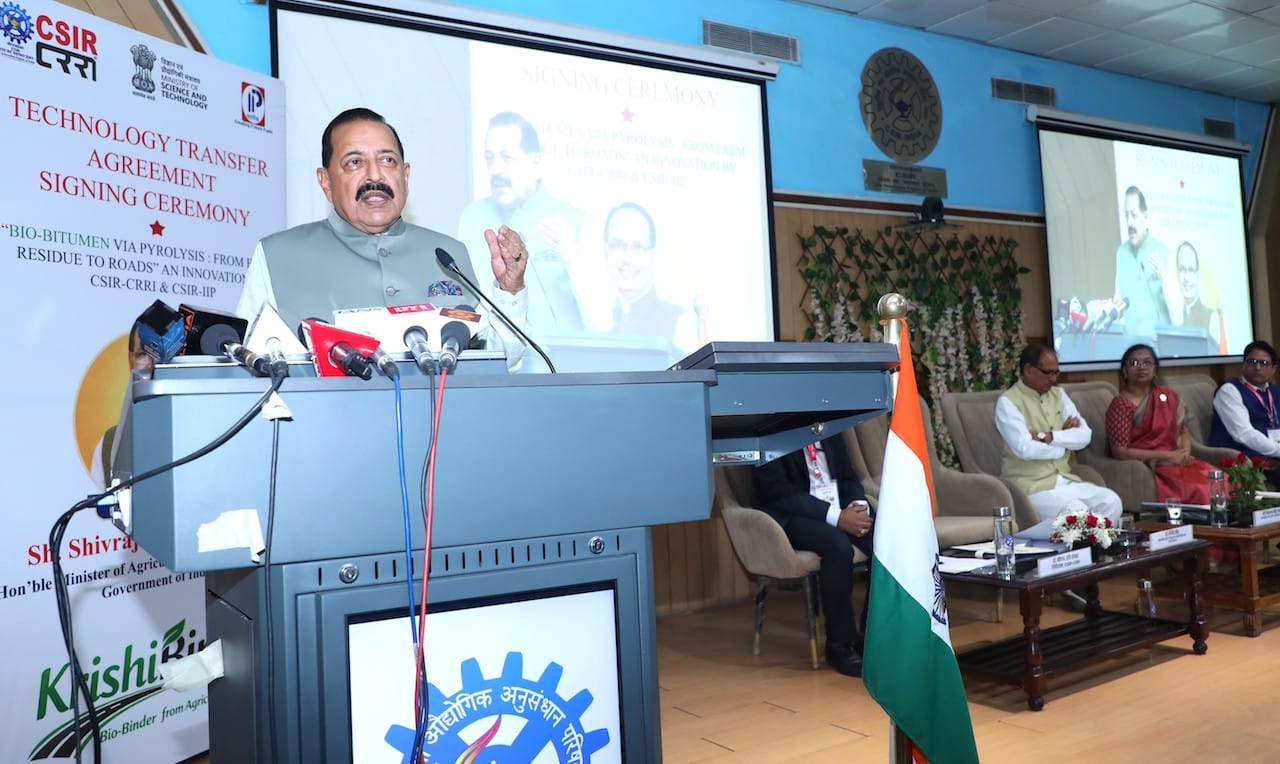
India’s innovation in converting agricultural crop waste into bio-bitumen could save the nation Rs 40,000 crore in annual imports. Dr. Jitendra Singh highlighted this breakthrough as a sustainable solution for infrastructure, reducing dependence on fossil-based bitumen while supporting farmers and the environment.
Show moreStay Ahead – Explore Now! IndiGo Turbocharges Navi Mumbai: 30+ New Routes, Smarter Connectivity, and Less Congestion in Mumbai



Updated: March 31, 2026 21:24

Updated: March 30, 2026 19:16

Updated: March 29, 2026 20:22












Follow WOWNEWS 24x7 on:





Copyright 2024 WOWNEWS 24x7. All rights reserved. The WOWNEWS 24x7 is not responsible for the content of external sites. Read about our approach to external linking.
Powered By Just Imagine
