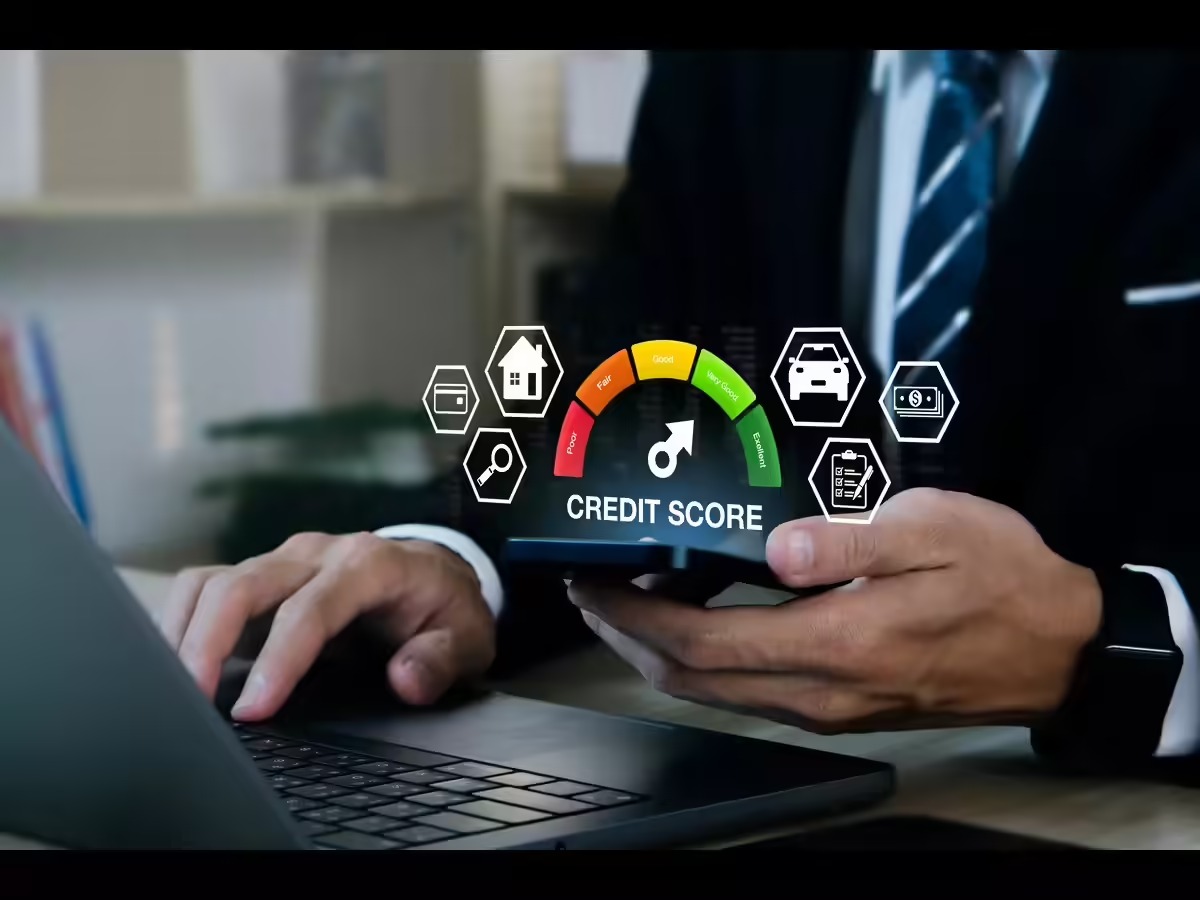



A credit score in India, ranging from 300 to 900, reflects your financial credibility and directly impacts loan approvals, interest rates, and credit card eligibility. With new RBI rules in 2026 ensuring faster updates, disciplined repayment and smart credit use can improve scores within 2–6 months.
Your credit score is more than just a number-it’s a financial passport. In India, scores are generated by bureaus like CIBIL, Experian, Equifax, and CRIF High Mark. Lenders rely heavily on these scores to decide whether to approve loans, determine credit limits, and set interest rates.
Why Credit Score Matters
A high credit score (750 and above) opens doors to better loan terms, lower interest rates, and premium credit cards. Conversely, a low score can lead to rejections or higher borrowing costs. With RBI’s new rules, weekly updates now reflect financial behavior more quickly, making responsible credit use more rewarding.
Factors Influencing Your Score
Repayment history contributes the most, accounting for about 35%. Credit utilization-how much of your available limit you use-makes up 30%. Other factors include length of credit history, mix of secured and unsecured loans, and frequency of new credit inquiries.
Steps To Improve Credit Score
-
Pay EMIs and credit card bills on time
-
Keep credit utilization below 30% of your limit
-
Avoid frequent loan or card applications
-
Maintain a healthy mix of secured and unsecured credit
-
Leverage RBI’s faster reporting to see improvements within 60-180 days
Future Outlook
With stricter RBI regulations on transparency and borrower protection, credit scores are becoming more dynamic and reliable. For individuals, this means that consistent financial discipline can quickly translate into tangible benefits, making credit management a vital part of personal finance in India.
Sources: GrandPeoples, ForgeUp News, Economic Times