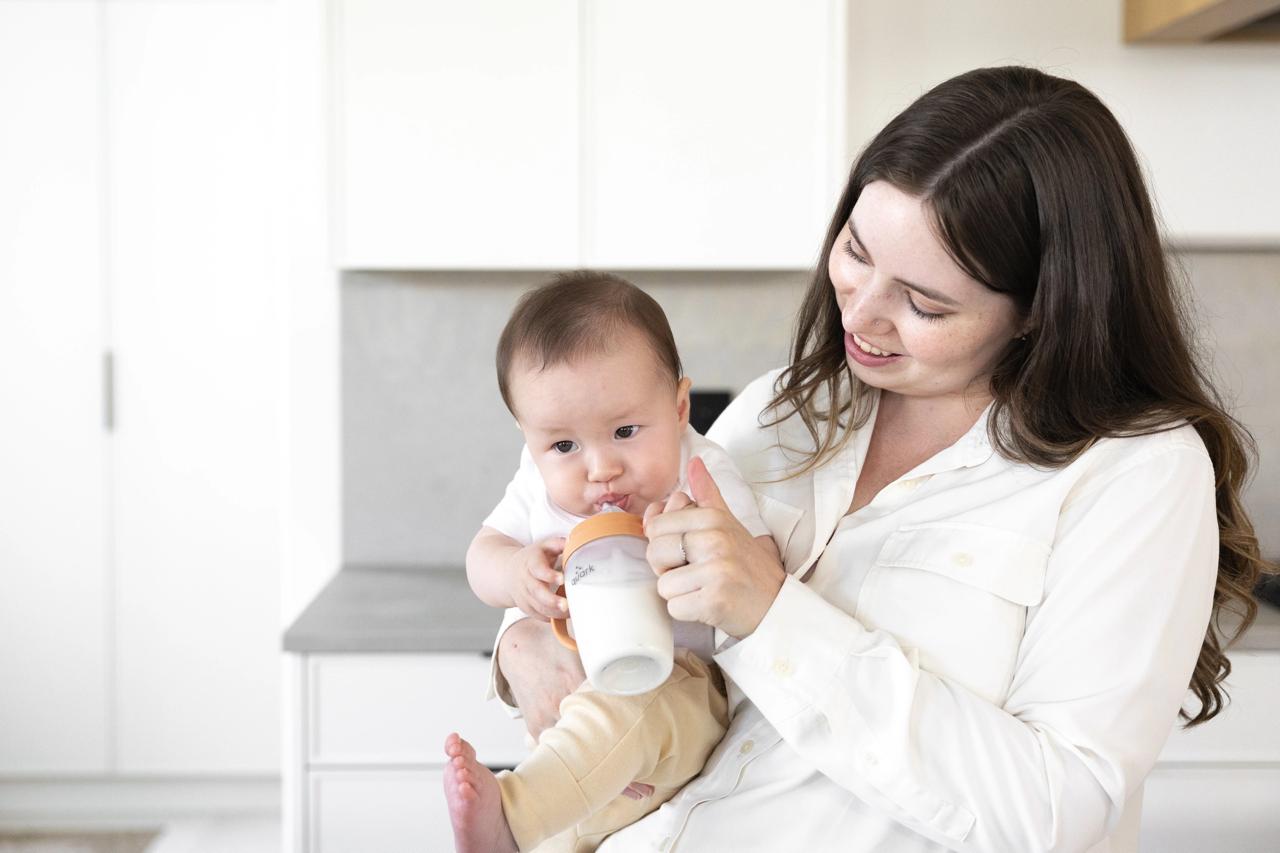



Doctors in India are advising new mothers to adapt breastfeeding and formula feeding practices during hot weather to ensure babies remain hydrated and healthy. Breast milk naturally adjusts to provide fluids, while formula feeding requires strict hygiene and preparation standards to prevent dehydration and bacterial risks.
On March 22, 2026, pediatric and lactation experts highlighted the importance of safe feeding practices for newborns in summer. Babies cannot regulate body temperature like adults, making them more vulnerable to dehydration and heat stress. Proper breastfeeding and formula feeding techniques are crucial to keeping infants nourished and comfortable.
Breastfeeding In Hot Weather
• Breast milk contains the right balance of nutrients and fluids, even in summer
• Babies may feed more often due to thirst, which is normal
• Mothers should stay hydrated and eat a balanced diet to maintain milk supply
• Feeding in a cool, ventilated environment helps reduce discomfort for both mother and child
Formula Feeding Guidelines
• Prepare formula strictly according to instructions; avoid diluting with excess water
• Use sterilised bottles and freshly boiled, cooled water for preparation
• Discard unfinished formula promptly to prevent bacterial growth in warm conditions
• Feed on demand, watching for signs of hunger, restlessness, or crying
Practical Tips For New Moms
• Dress babies in light, breathable cotton clothing
• Avoid thick blankets; use light covers if needed
• Choose shaded or cool areas for feeding sessions
• Watch for dehydration signs such as dry mouth, fewer tears, or unusual sleepiness
Key Highlights
• Breast milk alone is sufficient hydration for babies under six months
• Formula-fed babies need strict hygiene and proper preparation in hot weather
• Mothers should increase their own water intake to support milk production
• Feeding frequency may rise naturally during summer months
Sources: NDTV Lifestyle, Just One Norfolk, Mother & Baby, Connecticut Children’s Hospital