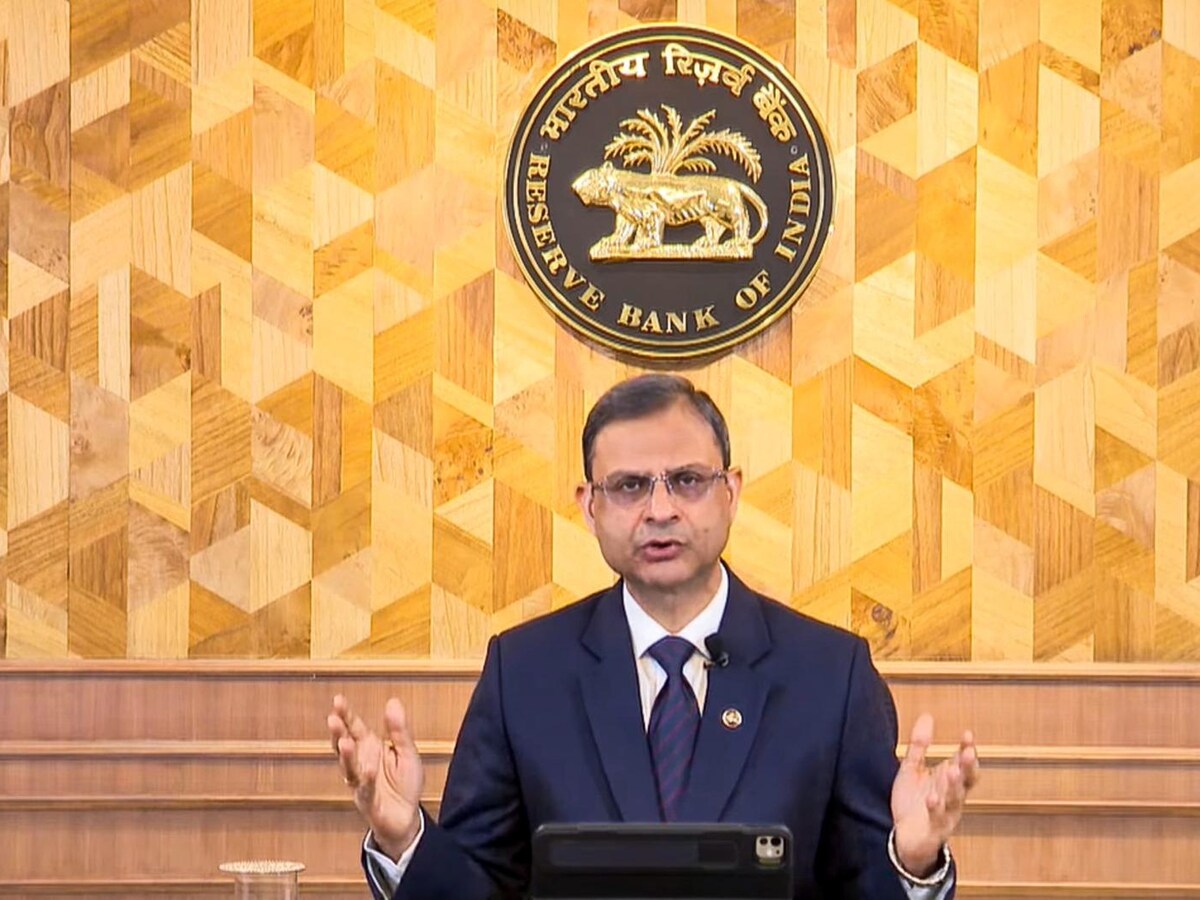


The Government today told Parliament that stepped‑up regulatory measures by the Reserve Bank of India (RBI) and National Bank for Agriculture & Rural Development (NABARD) have significantly strengthened governance, risk management, and financial stability across cooperative banks in India. These safeguards are improving depositor protection, credit discipline, and the sector’s role in financial inclusion, especially in rural and semi‑urban areas.
In a written reply in the Lok Sabha, the Union government highlighted that RBI’s updated supervisory frameworks and NABARD’s concurrent inspection powers are driving greater transparency, better internal controls, and stronger board oversight in cooperative banks. The move is part of a broader push to align cooperative banking with the National Cooperative Policy 2025 and to reinforce public trust in the sector.
Regulatory guardrails by RBI
The RBI has tightened prudential norms, including more stringent capital adequacy, asset quality, and income recognition standards for urban cooperative banks (UCBs), state cooperative banks (StCBs), and district central cooperative banks (DCCBs). It has also introduced draft governance amendments that prevent directors from bypassing a ten‑year continuous tenure cap, reinforcing independent and professional board composition.
NABARD’s oversight in rural cooperatives
NABARD continues to inspect and supervise StCBs and DCCBs, focusing on credit risk management, loan recovery, and internal audit quality. By harmonising these institutions’ credit policies with priority‑sector norms and digital‑lending guidelines, NABARD is helping cooperative banks expand farm credit, micro‑finance, and allied‑sector lending in rural India.
Strengthening governance and compliance
Cooperative banks are now expected to adopt formal risk‑management frameworks, regular board‑level reviews of asset‑quality, and stronger whistleblower mechanisms. The relaxation of certain financial norms under the new National Cooperative Policy is being paired with tighter compliance checks to ensure that enhanced operational flexibility does not dilute governance standards.
Key highlights
-
RBI has tightened governance norms, including cooling‑off periods for directors to enforce a ten‑year tenure cap in cooperative banks
-
NABARD’s concurrent inspection powers are improving credit‑risk oversight in rural cooperative banks
-
Revised prudential norms and internal‑control standards are enhancing depositor protection and financial stability
-
These measures are being aligned with the National Cooperative Policy 2025 to support financial inclusion in rural and semi‑urban India
Sources: Lok Sabha written reply (Government of India / PIB), RBI and NABARD regulatory updates, National Cooperative Policy 2025 documents