




Bond Market Blues: Indian Banks Seek RBI Cushion As Yields Bite Into Portfolios
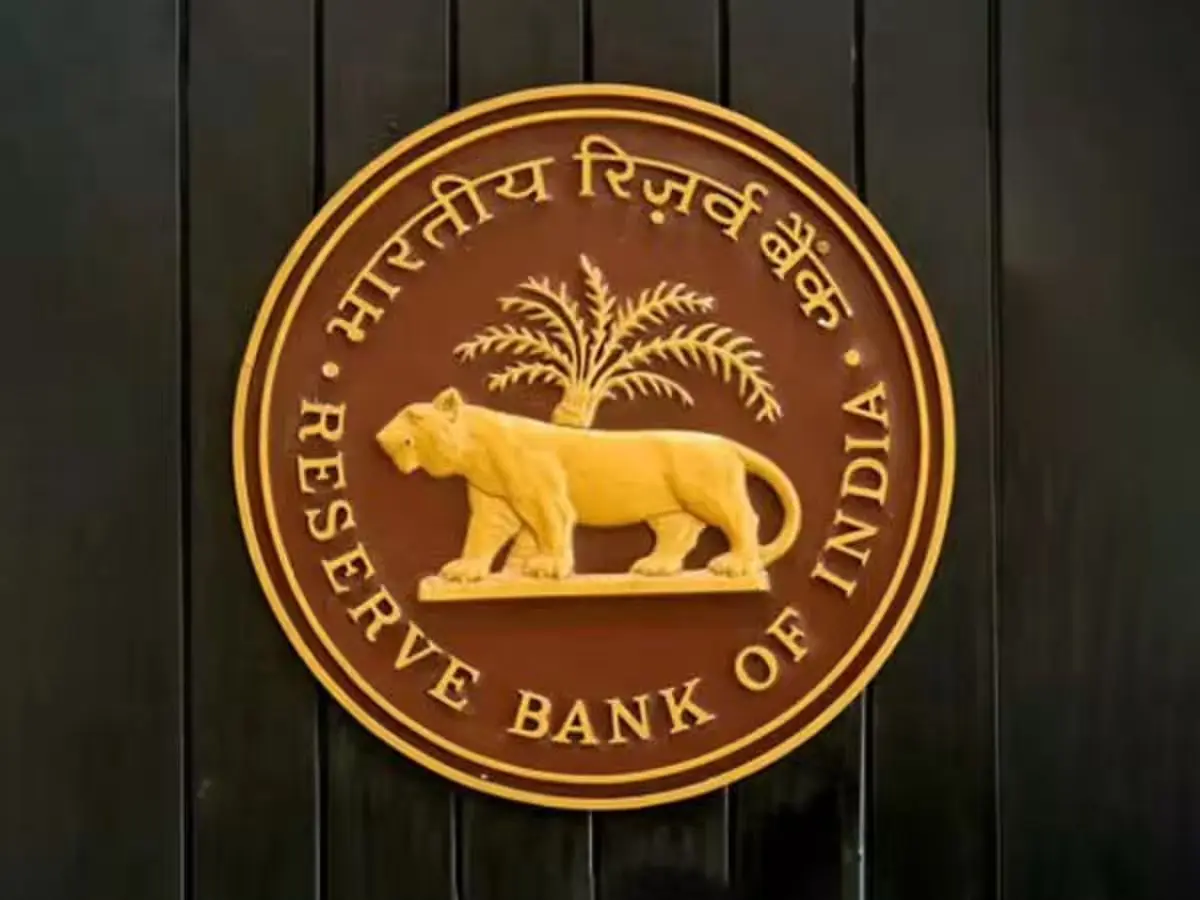
Banks across India are facing mounting pressure from surging G-Sec yields, which have eroded the value of their bond holdings. With the RBI’s bond calendar set at ₹8.2 lakh crore for the first half of FY2026, lenders are requesting regulatory relief to manage provisioning requirements.
Rising Yields And Market Impact
The 10-year government security yield closed FY25 at 7.03%, its highest in nearly two years. This spike is attributed to oversupply of bonds, inflationary pressures, and geopolitical risks from the West Asia conflict. Despite RBI’s efforts to ease funding costs, yields have moved upward, intensifying banks’ losses.
Banks’ Request To RBI
Lenders have approached the RBI for permission to spread provisioning for mark-to-market losses over four quarters. This would cushion the immediate impact on profitability and capital adequacy ratios, allowing banks to maintain lending momentum while absorbing bond market shocks.
Key Highlights
• Banks seek RBI relief to spread bond losses over four quarters
• G-Sec yields surged to 7.03%, a near two-year high
• Oversupply of bonds and West Asia conflict driving yields higher
• RBI’s bond calendar set at ₹8.2 lakh crore for H1 FY2026
• Rising yields threaten banks’ profitability and capital adequacy
What It Means For The Economy
If RBI grants relief, banks will gain breathing space to manage losses without curtailing credit growth. However, persistent high yields could continue to strain balance sheets, making it crucial for policymakers to balance inflation control with financial stability.
Sources: The Hindu BusinessLine, The Week, The Economic Times
Stay Ahead – Explore Now! Govt to Establish $1 Billion Fund for Creator Economy

Latest Updates

Senco Gold Shines In Q4 With Wedding-Led Business...
17 minutes ago
Wipro To Acquire 100% Shareholding In Mindsprint P...
19 minutes ago
India Revs Up ‘Go Electric’ Push As BEE Engages Tw...
31 minutes ago
Deposit Constraints Shadow Banks In March Quarter...
39 minutes ago
Top Stories
Senco Gold Shines In Q4 With Wedding-Led Business...
17 minutes ago
Wipro To Acquire 100% Shareholding In Mindsprint P...
19 minutes ago
India Revs Up ‘Go Electric’ Push As BEE Engages Tw...
31 minutes ago