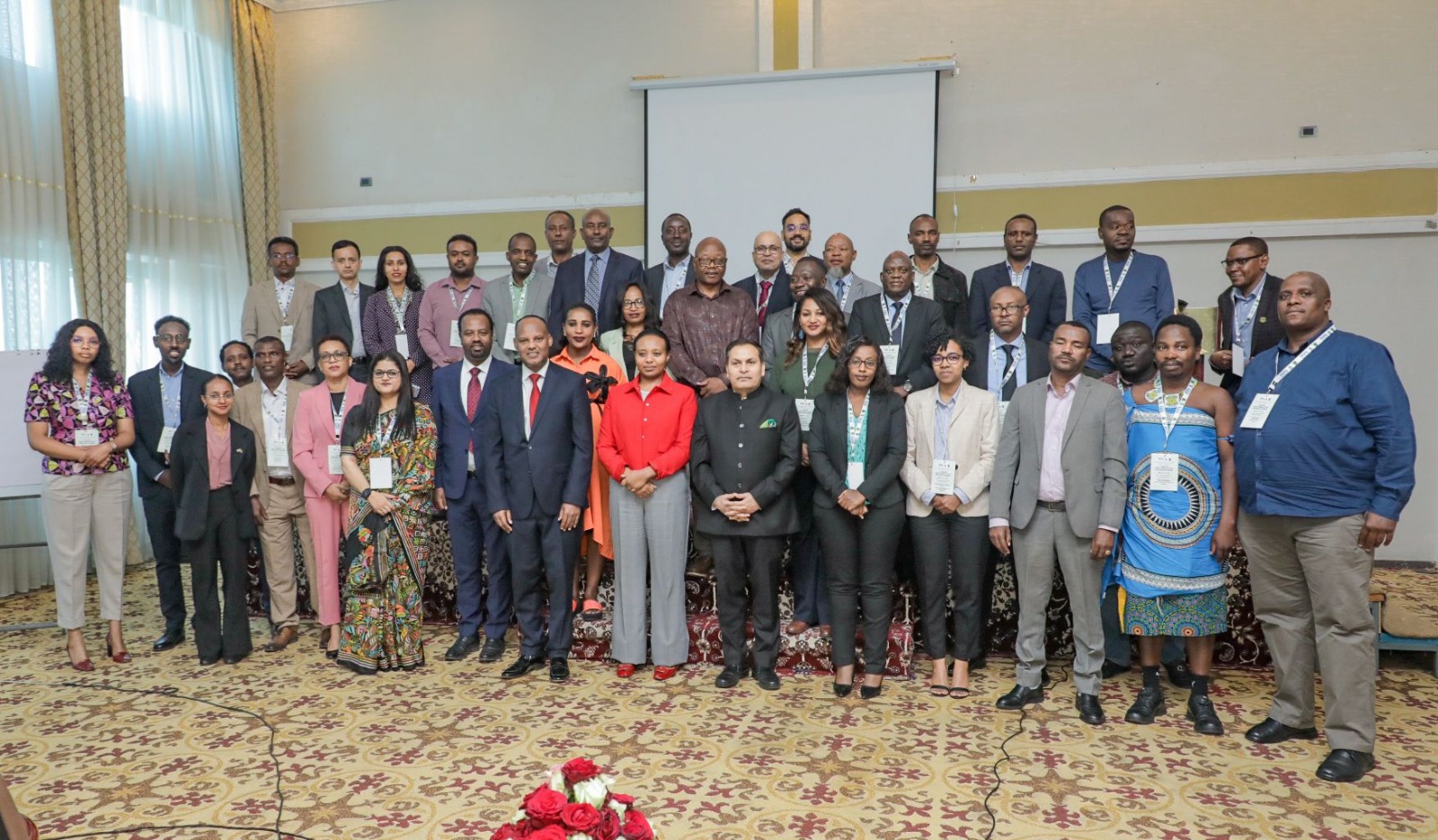




The 8th Cities Forum emphasized the circular economy as a cornerstone for sustainable urban development. Leaders, policymakers, and experts highlighted how resource efficiency, waste reduction, and innovative urban planning can drive greener cities, ensuring resilience, inclusivity, and long-term growth in the face of global environmental challenges.
At the 8th Cities Forum, global urban leaders gathered to discuss strategies for sustainable city growth. The forum placed the circular economy at the center of discussions, underscoring its role in shaping future-ready urban ecosystems.
Circular Economy As A Driver
Speakers stressed that adopting circular economy principles-such as recycling, reusing, and reducing waste-can transform cities into sustainable hubs. This approach not only conserves resources but also fosters innovation in housing, transport, and infrastructure.
Urban Sustainability Goals
The forum highlighted the importance of integrating circular practices into city planning. By prioritizing renewable energy, sustainable construction, and efficient waste management, cities can reduce carbon footprints while improving quality of life for residents.
Global Collaboration
Participants called for stronger international cooperation, knowledge sharing, and policy frameworks to accelerate the transition toward circular urban economies.
Key Highlights
-
Forum emphasizes circular economy for urban growth
-
Focus on waste reduction and resource efficiency
-
Integration of renewable energy and sustainable planning
-
Global collaboration urged for greener cities
-
Circular practices seen as essential for resilience
Sources: UN Habitat, Economic Times, Business Standard