




What Jackson Hole Means For India: Fed Chairman Powell’s Market Playbook
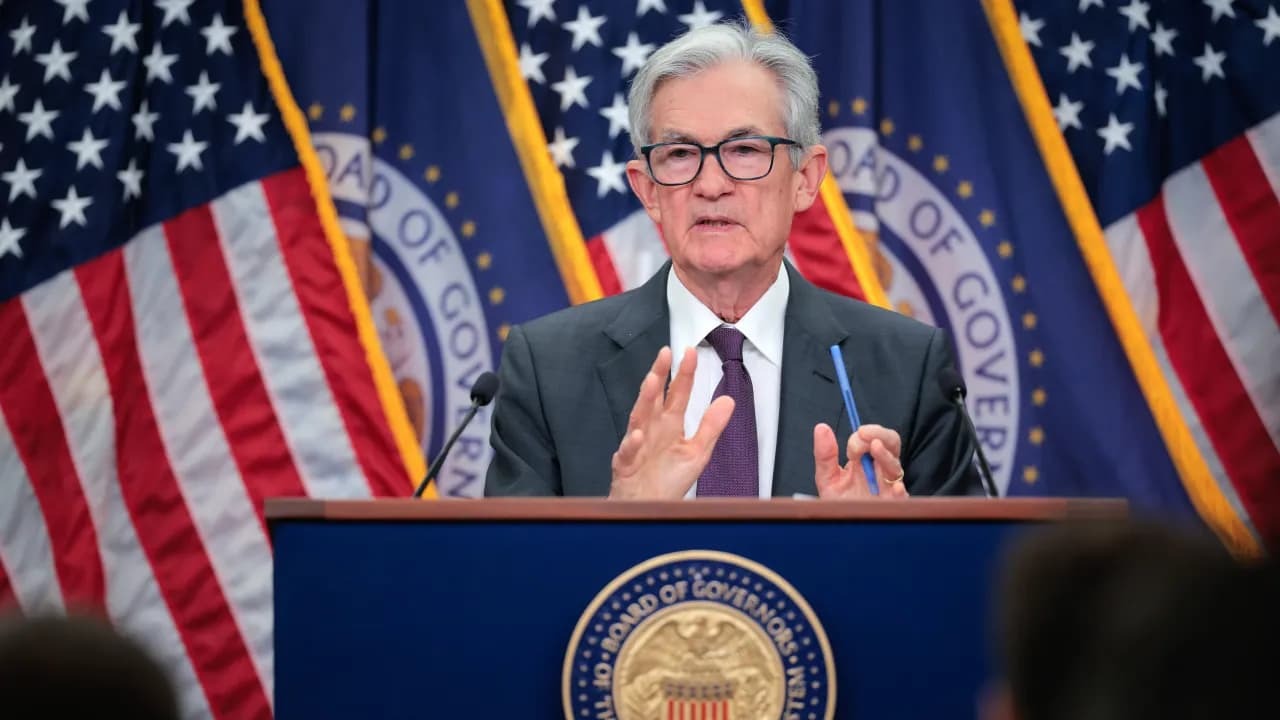
Jerome Powell, the US Federal Reserve Chairman, delivered his much-anticipated speech at the Jackson Hole Economic Symposium, setting the tone for global markets. His remarks, hinting at a possible interest rate cut in September, have important implications for Indian equities. Understanding Powell’s message helps investors assess how India’s stock markets might behave in the near future.
Key Highlights From Powell’s Speech And Market Reaction
Powell indicated that the Federal Reserve may lower interest rates in its September policy meeting, citing downside risks to unemployment and a shifting balance of economic risks.
His dovish tone led to a weakening of the US dollar, which tends to be positive for emerging markets like India by potentially encouraging foreign investment inflows.
Following the speech, US markets rallied strongly, with major indices like the Dow Jones and Nasdaq posting significant gains.
Indian stock indices saw mixed reactions; while futures pointed to a likely positive opening, key sectors like IT, financials, and real estate were cautious due to global risk sentiments and tariff concerns.
Foreign Institutional Investors (FIIs) have been net sellers in Indian equities this year, but Powell’s dovish stance on rates might ease selling pressure and encourage inflows.
The Indian rupee weakened slightly despite initial gains from GST reduction news, mainly due to FII selling and global uncertainties.
Implications For Indian Equity Markets
Powell’s indication of a rate cut typically signals cheaper borrowing costs globally and a boost for riskier assets, including equities. For India, this could mean:
Increased foreign investments into Indian stocks as the dollar weakens and emerging markets become more attractive.
Positive momentum for interest-rate sensitive sectors such as metals and IT.
Potential relief for domestic equities if inflation remains in check and rate cuts materialize.
Continued market volatility in the near term as investors weigh global geopolitical events and domestic economic data.
Near-Term Market Drivers To Watch
The outcome of the US Federal Reserve’s September policy meeting will be closely monitored for confirmation of rate cuts.
Geopolitical developments, including trade tariffs and global supply chain disruptions, could impact sentiment.
Domestic economic releases such as PMI data, industrial production, and GDP growth will influence investor confidence.
Upcoming monthly derivatives expiry may bring short-term volatility to the markets.
COVID-19 or other unforeseen global health or economic shocks remain wildcard factors.
The Larger Context Of Powell’s Speech
Powell’s speech at Jackson Hole occurs against a complex backdrop of persistent inflation concerns, job market uncertainties, and global geopolitical tensions. Though he signaled easing monetary policy ahead, he balanced optimism with caution, emphasizing a data-driven approach.
For Indian investors, the speech reassures that global monetary conditions might loosen, easing liquidity pressures. However, risks such as ongoing tariff discussions between the US and India could moderate gains.
Conclusion
Jerome Powell’s Jackson Hole speech sends promising signals for Indian equities, primarily due to a likely US Fed rate cut and a weaker dollar, which traditionally boost emerging market stocks. While optimism may drive short-term gains especially in sectors like IT and metals, investors should remain cautious of ongoing geopolitical tensions and domestic economic indicators.
Keeping a close eye on FII activity, US economic data, and trade developments will be crucial to navigate market movements in this period of cautious optimism.
Sources: Economic Times, Times of India, Outlook Money, Reuters, Moneycontrol
Stay Ahead – Explore Now! Green Marvel: Haryana’s 240 TPD Plant Makes Pollution Profitable

Latest Updates

5.9-magnitude Afghanistan quake rattles Delhi-NCR...
4 minutes ago
EPF Interest Rates Through The Years: From 12% Hig...
34 minutes ago
Myntra CEO Transition: Nandita Sinha Steps Down, S...
49 minutes ago
Where Culture Meets Combat: Women Wrestlers Take C...
58 minutes ago
Top Stories
5.9-magnitude Afghanistan quake rattles Delhi-NCR...
4 minutes ago
EPF Interest Rates Through The Years: From 12% Hig...
34 minutes ago
Myntra CEO Transition: Nandita Sinha Steps Down, S...
49 minutes ago