
Key Highlights
GST 2.0 reforms, effective September 22, 2025, have drastically lowered tax rates on passenger vehicles—reducing GST from 28% to 18% for small cars, two-wheelers up to 350cc, and commercial vehicles, while streamlining rates at 18% for auto parts and components...
Key Highlights
GST 2.0 reforms, effective September 22, 2025, have drastically lowered tax rates on passenger vehicles—reducing GST from 28% to 18% for small cars, two-wheelers up to 350cc, and commercial vehicles, while streamlining rates at 18% for auto parts and components
The compensation cess was scrapped for passenger vehicles, resulting in immediate price cuts; major OEMs such as Maruti Suzuki, Hyundai, Tata Motors, Mahindra, and Toyota swiftly revised ex-showroom prices and extended festive discounts to accelerate sales
Inventory and Sales Impact
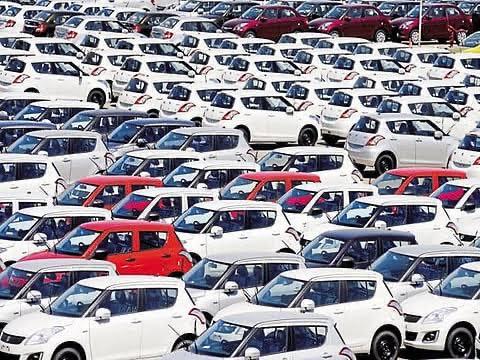
Analysts and industry bodies observed that passenger vehicle inventory levels at dealerships hit their lowest since 2017 by late September, with most dealers reporting rapid depletion of old stock at higher tax rates and a rush for new inventory at reduced prices
Maruti Suzuki logged its best single-day deliveries in over three decades, while Tata Motors and Hyundai posted record dealer billings, bolstered by over 25,000 customer enquiries each
Some dealers faced losses on older inventory purchased under higher rates, while industry leaders called for transition measures to smooth cess recovery
Demand Surge & Supply Chain Trends
The tax cut drove an upcycle in bookings and sales, especially among price-sensitive first-time, rural, and middle-class buyers, and is expected to extend the passenger vehicle growth cycle till at least FY29
Reduced auto-component costs and lower GST on agricultural machinery strengthen the supply chain, boosting MSME profitability and job creation
However, challenges remain for dealers with stranded cess and for OEMs facing margin pressures or supply chain disruptions that could limit the sector’s newfound momentum
Industry Outlook
GST 2.0 has triggered a fiscal stimulus for India’s auto sector, unleashing pent-up demand and marking a shift toward greater affordability, broader policy clarity, and potential for sustained growth in domestic mobility
Policymakers and automakers are optimistic about a more vibrant, competitive and accessible automotive landscape over the coming years
Sources: The TwoTax, ICICI Direct, The Hindu Business Line, India-Briefing