




Section 4 Unused, But Not Forgotten: The Law Behind Trump’s Fiery Warning
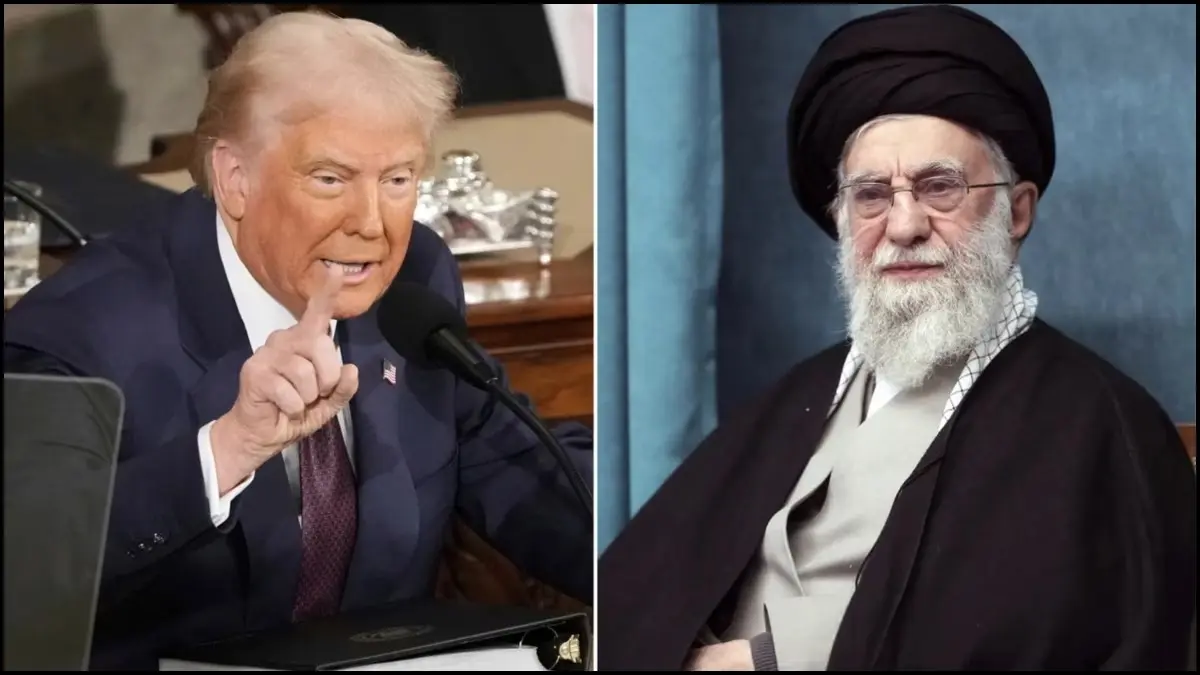
President Trump’s recent expletive-laden warning to Iran about strikes if the Strait of Hormuz remains closed has intensified questions about presidential fitness and constitutional remedies. The exchange has legal scholars and lawmakers revisiting Section 4’s procedures and thresholds.
Understanding Section 4
Section 4 of the 25th Amendment, ratified in 1967, addresses involuntary transfer of power when a President cannot or will not declare incapacity. It requires the Vice President and a majority of Cabinet to submit a written declaration to Congress to make the transfer. The provision has never been invoked.
Legal Threshold And Process
If invoked, the President can contest the declaration; Congress then decides within 21 days by a two-thirds vote in both houses to sustain the transfer. The process is deliberately rigorous to prevent partisan misuse and to protect continuity of government.
Political Context After Trump’s Threat
Trump’s aggressive rhetoric toward Iran threatening infrastructure strikes has raised alarms about judgment and escalation risk. Critics argue inflammatory language could justify Section 4 review; supporters call such measures politically motivated. The constitutional route remains legally complex and politically fraught.
International Security Implications
Escalatory threats around the Strait of Hormuz risk disrupting global oil shipments and regional stability. Any U.S. leadership crisis during such a flashpoint would complicate allied coordination and military decision-making.
Key Highlights
- Section 4 allows involuntary transfer of presidential power by Vice President plus majority Cabinet.
- The President may contest; Congress rules within 21 days by two-thirds vote.
- Section 4 has never been used since ratification in 1967.
- Trump’s expletive-laden threat to Iran centers on strikes if the Strait of Hormuz is closed.
- Legal scholars warn invocation would be politically and procedurally fraught.
Sources: Congress.gov; LegalClarity; Independent analysis and reporting.
Stay Ahead – Explore Now! SCO (The Shanghai Cooperation Organization) Summit in Tianjin—Will Global Powerhouses Forge a New Eurasian Blueprint?

Latest Updates
Oil Reclaims $110 As Trump Warns Of Striking Iran...
11 minutes ago
Dhabriya Polywood Shares Rise After Receipt Of ₹34...
15 minutes ago
Delhi To Track Green Spending Across 17 Department...
25 minutes ago
India’s 10-Year Benchmark Bond Yield Edges Higher...
27 minutes ago
India’s Banking Liquidity Snapshot: RBI Reports Ba...
28 minutes agoTop Stories
Oil Reclaims $110 As Trump Warns Of Striking Iran...
11 minutes ago
Dhabriya Polywood Shares Rise After Receipt Of ₹34...
15 minutes ago
Delhi To Track Green Spending Across 17 Department...
25 minutes ago