
The vibrant festival of Nuakhai, celebrated widely in Odisha and parts of Chhattisgarh, stands as a powerful symbol of gratitude towards the hardworking farmers who sustain the nation. President Droupadi Murmu, during her recent address, emphasized that Nuakhai is not just a traditional harvest f...
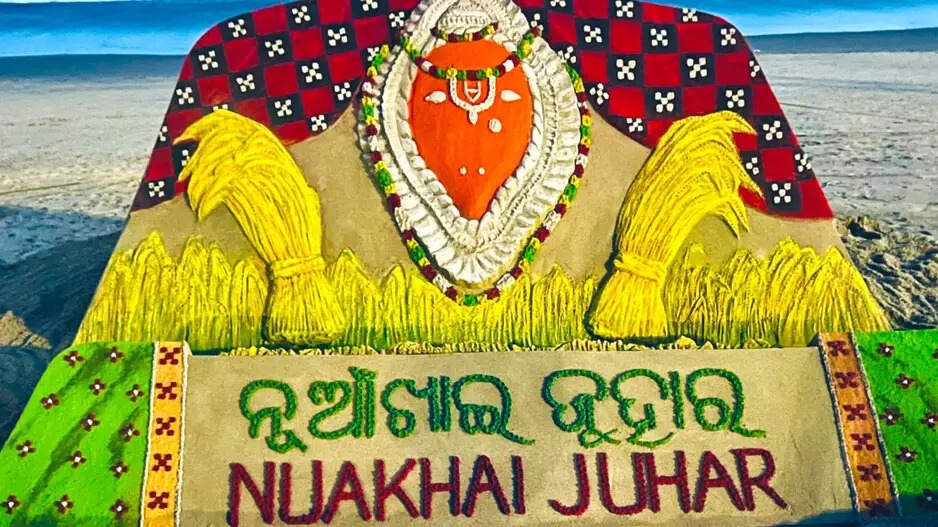
The vibrant festival of Nuakhai, celebrated widely in Odisha and parts of Chhattisgarh, stands as a powerful symbol of gratitude towards the hardworking farmers who sustain the nation. President Droupadi Murmu, during her recent address, emphasized that Nuakhai is not just a traditional harvest festival but a precious opportunity to acknowledge and honor the invaluable contributions of the agricultural community that forms the backbone of India’s economy and food security.
Key Highlights Of President Murmu’s Remarks On Nuakhai
Nuakhai serves as a day to express sincere thanks to farmers for their relentless toil and dedication in bringing forth the new harvest.
The President highlighted the festival’s significance in fostering unity, cultural heritage preservation, and sustainable agricultural practices.
She urged citizens to recognize the pivotal role of farmers in ensuring food availability, both locally and nationally.
The festival’s rituals symbolize the cycle of life, renewal, and communal harmony, reflecting deep-rooted respect for nature and agriculture.
President Murmu called for greater support and modernization in farming techniques to enhance productivity and farmer welfare.
Nuakhai Festival: Cultural And Agricultural Significance
Observed on the day following Ganesh Chaturthi, Nuakhai marks the offering of the season’s first grains to the deities and elders, followed by communal feasts, dances, and celebrations. This ritualistic commencement of grain consumption signifies the beginning of a new agricultural cycle and rejuvenates community bonds.
Originating from the belief that the first harvest should be offered to the divine and ancestors, Nuakhai instills a profound sense of gratitude and responsibility among participants. The festival acts as a bridge between agrarian livelihood and spiritual values, reaffirming humanity’s intrinsic connection with the earth.
President’s Call For Empowering Farmers
President Murmu underscored the urgent need to empower farmers through access to technology, quality seeds, fair pricing, and climate-resilient agriculture methods. She advocated for policies promoting sustainable farming that enhances soil health while increasing harvest resilience amid changing weather patterns.
Besides celebrating traditions, the festival is a reminder of the contemporary challenges farmers face, encouraging collective action from government, civil society, and industry to bolster agricultural sustainability.
Economic Impact And Community Development
Nuakhai celebrations stimulate regional economies by uplifting local crafts, handloom industries, and food enterprises linked to agrarian produce. The festival also strengthens social cohesion by bringing together diverse communities in joyous participation.
Investment in rural infrastructure, education, and health during such cultural events can transform farming communities, improving quality of life and reducing urban migration pressures.
Looking Forward: Sustaining The Spirit Of Nuakhai
Maintaining the cultural essence of Nuakhai while integrating modern agricultural advancements is key to securing future food security and farmer livelihoods. President Murmu’s message encourages young generations to value their agrarian roots and embrace innovation, bridging tradition with progress.
Conclusion
As India celebrates Nuakhai, President Droupadi Murmu’s reflections resonate deeply on valuing farmers’ indispensable role. The festival is a vibrant tribute to the relentless spirit of those who nurture the land, offering a moment to reaffirm commitments toward their prosperity and the nation’s sustainable future.
Sources: President of India Official Website, The Hindu, Times of India