




Loading market data...
ADVERTISEMENT

Latest Top News
 Show more
Global Energy Artery Sealed: Hormuz Closure by Iran Sparks Oil Price Surge
Iran has closed the Strait of Hormuz, a critical maritime chokepoint through which nearly 20% of global oil flows. The move, amid escalating tensions with the U.S. and Israel, has disrupted shipments and triggered a sharp spike in crude prices, raising fears of global energy insecurity and economic volatility.
Stay Ahead – Explore Now! Arya And Prabhsimran Shine As PBKS Outplay Abhishek’s Blitz To Stay Unbeaten
ADVERTISEMENT

Latest Updates

Security Shuffle: Raghav Chadha Gets Z Protection...
16 Apr 2026, 12:32 AM
From Thames To Telangana: University Of London To...
16 Apr 2026, 12:30 AM
Claude AI Crashes Midweek, Thousands Report Outage...
16 Apr 2026, 12:29 AM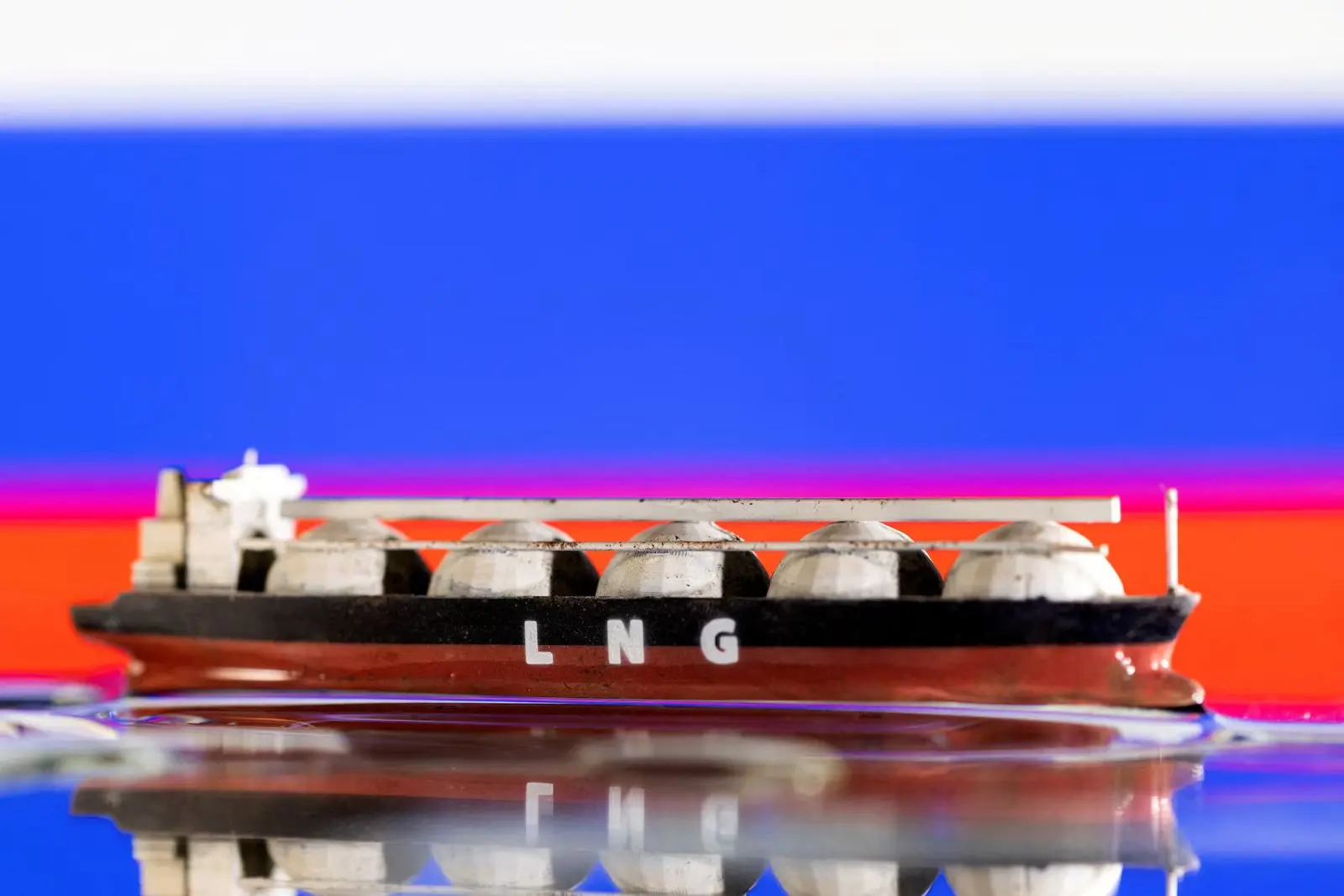
From Portovaya To Ports Of India: Russian LNG Carg...
16 Apr 2026, 12:25 AM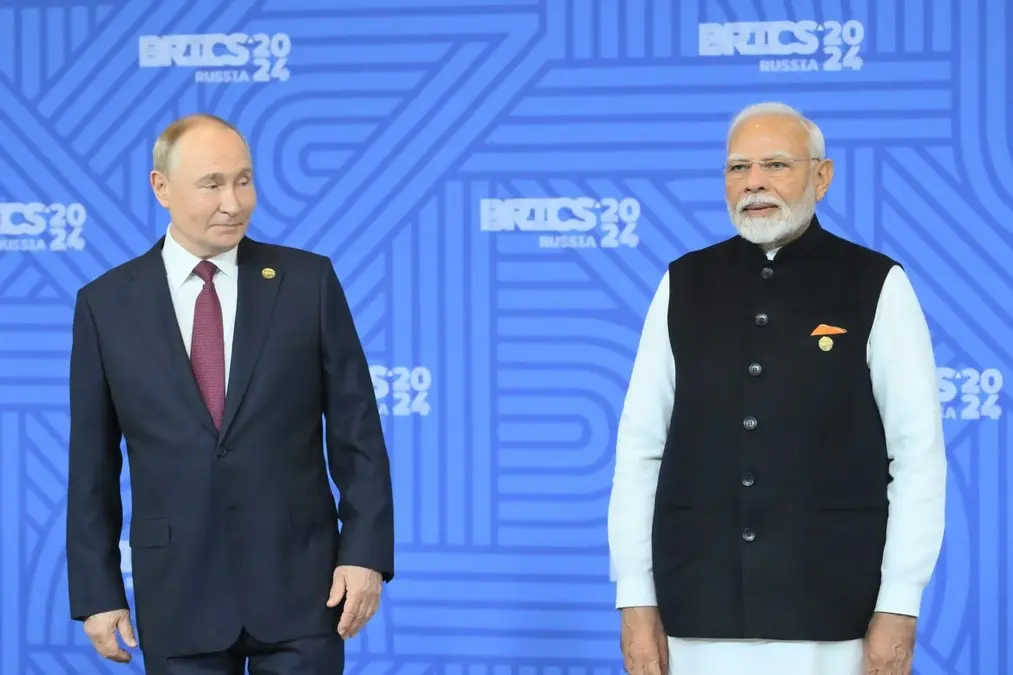
Putin To Attend BRICS Summit In India, Kremlin Con...
15 Apr 2026, 10:01 PMADVERTISEMENT

Top Stories
Security Shuffle: Raghav Chadha Gets Z Protection...
16 Apr 2026, 12:32 AM
From Thames To Telangana: University Of London To...
16 Apr 2026, 12:30 AM
Claude AI Crashes Midweek, Thousands Report Outage...
16 Apr 2026, 12:29 AM