
Mahindra & Mahindra (M&M) has announced its decision to put its Finland-based subsidiary, Sampo Rosenlew Oy, on the market as part of a broader strategy to refocus on core business segments and optimize capital allocation. This move follows years of ownership during which M&M acquired...
Mahindra & Mahindra (M&M) has announced its decision to put its Finland-based subsidiary, Sampo Rosenlew Oy, on the market as part of a broader strategy to refocus on core business segments and optimize capital allocation. This move follows years of ownership during which M&M acquired full control but encountered challenges with the company’s financial performance and market conditions.
Key Highlights: Strategic Divestment and Portfolio Pruning
M&M initially entered the combine harvester business by acquiring a 35% stake in Sampo Rosenlew in 2016, progressively increasing its holding to full ownership by 2022 through staged buyouts and share purchases valued cumulatively over several crores.
Despite Sampo’s established reputation in mid-sized combine harvesters with sales across Europe, Eurasia, and North Africa, the business has struggled due to weak demand, high product development costs, and shifting market dynamics affecting returns.
Since the appointment of Anish Shah as Group MD & CEO in April 2021, M&M has been actively streamlining its portfolio, exiting various overseas and non-core ventures to concentrate on its strengths in utility vehicles and tractors.
M&M confirmed rightsizing operations and asset impairments at Sampo in earnings calls for Q4FY25 and Q1FY26 to align with the fundamental market changes and to prepare the company for sale or restructuring.
Sampo Rosenlew: Business Profile and Challenges
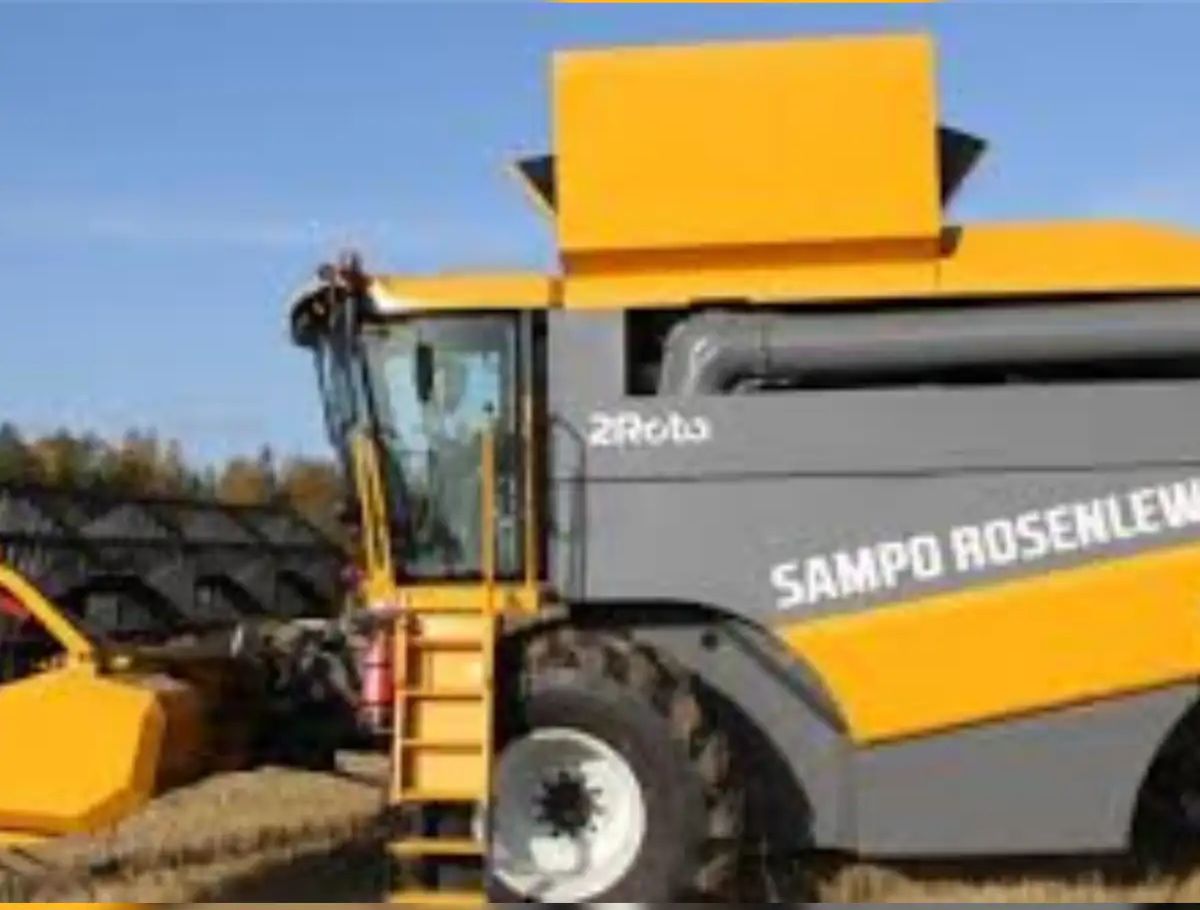
Headquartered in Pori, Finland, Sampo Rosenlew manufactures mid-sized combine harvesters serving primarily European, Eurasian Economic Union, and North African markets while also operating a joint venture in Algeria.
The company had a turnover of approximately €52 million (about ₹416 crore) as of fiscal year ending March 2022 but faced persistent headwinds including diminished demand in major markets and rising expenses associated with product innovation aimed at emerging and specialty crop markets.
The acquisition and subsequent control over Sampo were part of M&M’s ambition to create a globally competitive farm equipment portfolio beyond tractors.
Financial and Strategic Implications for M&M
The divestment signals M&M’s prioritization of resource optimization and focus on segments where it maintains strong market presence and profitability, such as utility vehicles and tractor manufacturing.
M&M’s experience with Sampo reflects operational complexities in managing overseas manufacturing ventures with niche product lines subject to cyclical agricultural equipment demand and competitive pressures.
The decision aligns with the broader corporate objective under CEO Anish Shah’s leadership to adapt quickly to market shifts, reallocate capital wisely, and strengthen its core business units for long-term growth and shareholder value.
Next Steps and Market Outlook
M&M’s current focus includes executing operational adjustments such as rightsizing the Finland operations and reflecting impairments in their financial statements, preparing Sampo Rosenlew for either sale or consolidation into a leaner structure.
The transition may open opportunities for other global or regional players in the agricultural machinery sector to acquire Sampo’s established technology and market access.
For M&M, the divestment will free capital and managerial attention to double down on high-growth areas and innovation in its core agri and mobility businesses.
In conclusion, Mahindra & Mahindra’s decision to put Sampo Rosenlew on the block highlights its strategic recalibration toward focusing on core competencies amid challenging market dynamics for niche agricultural machinery. The move underlines M&M’s commitment to agile portfolio management and capital effectiveness in a rapidly evolving global agro-industrial landscape.
Sources: Economic Times