
The 6th Nadi Utsav, held at the Indira Gandhi National Centre for the Arts (IGNCA), spotlighted the profound interconnection between rivers and human culture through a captivating documentary film festival showcasing riverine lifestyles from across India. Filmmakers wielding DSLRs, mobile phones,...
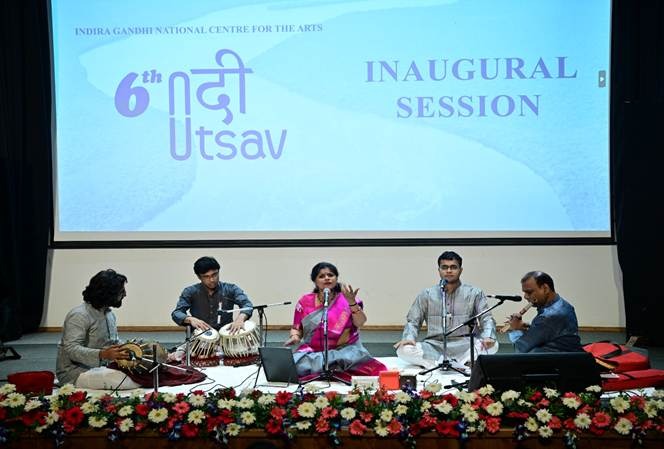
The 6th Nadi Utsav, held at the Indira Gandhi National Centre for the Arts (IGNCA), spotlighted the profound interconnection between rivers and human culture through a captivating documentary film festival showcasing riverine lifestyles from across India. Filmmakers wielding DSLRs, mobile phones, and simple equipment captured intimate stories of river communities, blending tradition and contemporary realities to celebrate the lifeblood of civilizations—the rivers.
Key Highlights From Nadi Utsav Documentary Festival
The festival ran from September 25 to 27, 2025, featuring 36 selected films portraying ecological challenges, cultural traditions, and everyday life along riverbanks.
Films like “Jibnar Jaal” from Odisha’s Kusmuda village documented subsistence fishing and community practices without relying on interviews, focusing instead on raw, candid life moments.
Other documentaries including “Hokarsar — Queen of Wetland” used cellphone footage to tell stories of wetland degradation and restoration efforts near Srinagar.
Nadi Utsav’s convener Abhay Mishra emphasized that storytelling authenticity takes precedence over technological sophistication, encouraging diverse filmmakers with meaningful, rooted narratives.
The festival included seminars, panels, and cultural performances that reflected rivers’ central roles as ecological systems, cultural lifelines, and inspirations for artistic expression.
IGNCA’s support promoted collaborations between filmmakers and traditional puppeteers, pushing creative boundaries linking visual media and ancient art forms.
The event culminated in a rich discussion on ecological sustenance, livelihoods, and the evolving relationship between rivers and communities, echoing sustainability and conservation themes.
Artistic exhibitions complemented screenings, offering visual and poetic expressions dedicated to rivers, fostering a multisensory connection between nature and culture.
Voices And Visions From The Rivers
Filmmakers presented authentic visual testimonies of riverine people who treat rivers not just as water bodies but as living homes—teachers, suppliers, and spiritual anchors. From fishing methods passed down generations to local conservationists working against environmental degradation, the narratives highlighted resilience and symbiosis.
Their work bridges generational gaps, preserves folk traditions, and documents urgent ecological issues, simultaneously educating and inspiring audiences to value and protect riverine ecosystems.
Technology Meets Tradition
A remarkable aspect of the festival is its embrace of low-cost filming technology, democratizing documentary production. Mobile and DSLR cameras brought to light grassroots stories that might otherwise remain unseen, challenging the notion that high-end equipment alone creates impactful films.
This approach broadens participation, fosters diverse perspectives, and maintains the urgency and intimacy of river communities’ realities.
Broader Impact And Cultural Resonance
Nadi Utsav’s themes resonate beyond art circles, influencing environmental policy discussions and community advocacy. The festival creates a space where ecological stewardship, cultural heritage, and cinematic expression converge, inspiring collaborative efforts.
By celebrating rivers as cradle of life and culture, the fest nurtures awareness and echoes India’s ancient wisdom recognizing waterways as vital to human prosperity and ecological balance.
Conclusion: Celebrating Life Along The Rivers
DSLRs and dreams intertwine at Nadi Utsav to weave stories flowing through river currents that sustain people, traditions, and ecosystems. Through evocative films and cultural programs, the festival invites viewers to witness and cherish the invaluable heritage of riverine communities while reinforcing a shared responsibility for their future.
Sources: PIB India, The Telegraph India, IGNCA, Nadi Utsav official statements