
In a significant diplomatic development, India and China have initiated talks to resume border trade after a five-year suspension, signaling a potential thaw in relations that have remained tense since the 2020 Galwan Valley clashes. The move, reported by Bloomberg News, comes amid a broader reca...
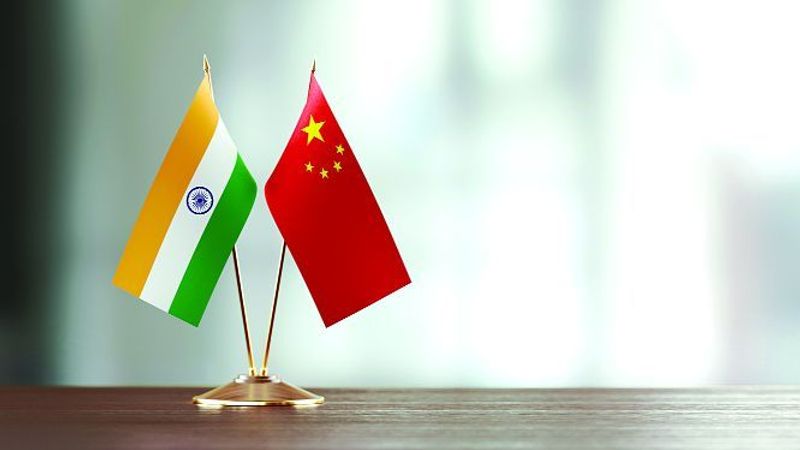
In a significant diplomatic development, India and China have initiated talks to resume border trade after a five-year suspension, signaling a potential thaw in relations that have remained tense since the 2020 Galwan Valley clashes. The move, reported by Bloomberg News, comes amid a broader recalibration of bilateral ties, with both nations exploring avenues to rebuild trust through economic cooperation and strategic dialogue.
Key Highlights
India and China are in active discussions to restart border trade, which has been suspended since 2020.
Talks are part of a wider diplomatic engagement that includes easing trade restrictions, resuming direct flights, and high-level meetings.
The initiative coincides with Chinese Foreign Minister Wang Yi’s scheduled visit to India on August 18 for talks with National Security Advisor Ajit Doval.
Background and Context
Border trade between India and China, particularly through routes like Nathu La in Sikkim and Shipki La in Himachal Pradesh, was halted following escalating military tensions in eastern Ladakh. The suspension disrupted local economies and strained diplomatic channels, with both sides hardening positions on territorial claims.
The current dialogue marks the first serious attempt to revive cross-border commerce since the freeze, and is being viewed as a confidence-building measure ahead of the Shanghai Cooperation Organisation (SCO) summit later this month.
Diplomatic Signals
High-Level Engagements Wang Yi’s visit to India is part of the Special Representatives mechanism, aimed at managing boundary issues and restoring stability along the Line of Actual Control. This follows his meeting with Doval in June during the SCO National Security Advisors’ summit.
Trade and Travel Revival India has resumed issuing tourist visas to Chinese nationals, and both sides are preparing to restart direct passenger flights as early as September. Airlines like Air India and IndiGo have been instructed to be ready for operations to China at short notice.
Strategic Timing The talks precede Prime Minister Narendra Modi’s expected visit to China for the SCO summit from August 31 to September 1, where a bilateral meeting with President Xi Jinping is likely.
Economic Implications
China has recently eased restrictions on urea exports to India, potentially allowing up to 300,000 tonnes of shipments. This comes after India’s urea imports from China fell sharply from 1.87 million tonnes to just 100,000 tonnes in FY25.
The resumption of border trade could benefit local traders, reduce logistical costs, and improve access to essential goods in border regions.
A recent diesel shipment from India to China—the first in over three years—also signals a gradual normalization of commercial flows.
Geopolitical Undercurrents
The renewed engagement between India and China is unfolding against a backdrop of shifting global alliances and trade tensions. The United States has doubled tariffs on Indian goods in response to New Delhi’s Russian oil purchases, a move that has reportedly nudged India and China closer on certain strategic fronts.
China’s support for India’s sovereignty in recent statements and its easing of trade curbs are being interpreted as part of a broader effort to recalibrate ties amid global realignments.
Outlook
While the resumption of border trade is still in the negotiation phase, the momentum suggests a cautious but deliberate effort by both sides to rebuild economic and diplomatic bridges. The outcome of Wang Yi’s visit and Modi’s participation in the SCO summit will be pivotal in determining the trajectory of this reset.
If successful, these talks could pave the way for a more stable and economically integrated relationship between Asia’s two largest economies, with ripple effects across regional trade, security, and diplomacy.
Source: Bloomberg News, August 13, 2025