In a major policy shift that’s set to reshape India’s consumer landscape, the GST Council has announced sweeping tax reforms effective September 22, 2025. The overhaul simplifies the tax structure and slashes rates on essential goods, aiming to boost consumption and ease the financial...
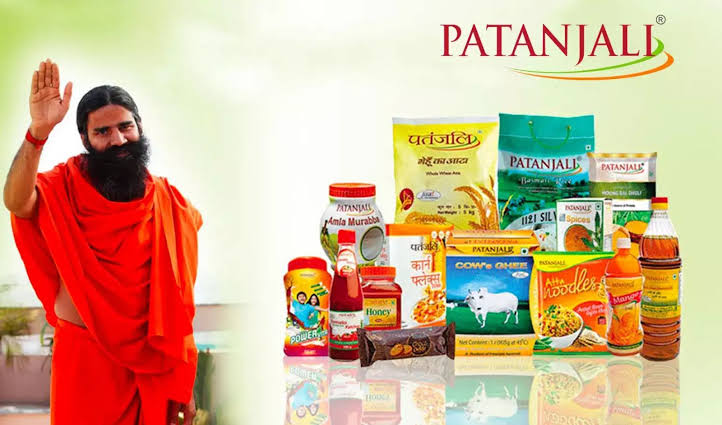
In a major policy shift that’s set to reshape India’s consumer landscape, the GST Council has announced sweeping tax reforms effective September 22, 2025. The overhaul simplifies the tax structure and slashes rates on essential goods, aiming to boost consumption and ease the financial burden on households. Riding this wave of reform, Patanjali Foods CEO has expressed optimism that several of the company’s flagship categories—such as Dant Kanti toothpaste, ghee, soaps, and biscuits—will directly benefit from the revised GST rates.
The announcement aligns with the government’s broader push to stimulate demand and support domestic manufacturers, especially those catering to mass-market needs. Patanjali, with its deep roots in Ayurveda and swadeshi branding, stands to gain significantly from this tax recalibration.
Key Highlights From The GST Council’s Reform
- GST rates on daily-use items like soaps, toothpaste, and biscuits have been reduced from 18 percent to 5 percent
- Processed food items including ghee, namkeen, and noodles now attract only 5 percent GST, down from 12–18 percent
- The new GST structure collapses multiple slabs into a simplified two-tier system: 5 percent and 18 percent, with a special 40 percent rate for luxury and sin goods
- The reforms are designed to correct inverted duty structures and enhance affordability for consumers
Patanjali’s Product Portfolio Gets A Tax Makeover
Patanjali Foods, known for its wide range of Ayurvedic and natural products, is expected to see a direct uplift in several key categories:
- Dant Kanti toothpaste, previously taxed at 18 percent, now falls under the 5 percent slab, making it more accessible to price-sensitive consumers
- Patanjali’s ghee, a staple in Indian kitchens, benefits from a rate cut from 12 percent to 5 percent, potentially boosting household consumption
- Soaps and personal care items like shampoo and hair oil have also moved to the 5 percent bracket, enhancing competitiveness against multinational brands
- Biscuits and packaged snacks, part of Patanjali’s growing FMCG segment, now enjoy reduced tax rates, improving margins and affordability
CEO’s Perspective: Demand Revival On The Horizon
The CEO of Patanjali Foods welcomed the GST reforms, stating that the rate cuts will not only reduce consumer prices but also stimulate demand across rural and urban markets. With affordability improving across essential categories, Patanjali anticipates a surge in volume-driven growth.
The company believes the reforms will particularly benefit middle-class and rural households, which form the backbone of its customer base. By passing on the tax savings to consumers, Patanjali aims to reinforce its value-driven positioning and expand market share in competitive segments.
Broader Implications For FMCG And Retail
The GST overhaul is expected to have ripple effects across the FMCG sector:
- Companies may revise pricing strategies to reflect lower tax burdens, leading to increased consumption
- Retailers could see higher footfall and faster inventory turnover, especially in categories like soaps, snacks, and dairy
- Domestic brands with strong distribution in Tier 2 and Tier 3 cities may outperform due to improved affordability and brand loyalty
Government’s Vision: Consumption-Led Growth
Finance Minister Nirmala Sitharaman described the reforms as next-generation measures aimed at simplifying compliance and boosting economic activity. The decision to implement the changes from the first day of Navratri underscores the symbolic push for prosperity and renewal.
The GST Council’s move is also seen as a strategic response to sluggish consumption trends and inflationary pressures. By reducing rates on essentials and correcting duty structures, the government hopes to unlock spending power and support MSMEs.
Conclusion: Patanjali’s Swadeshi Bet Gets Stronger
With the GST cuts now in motion, Patanjali Foods is well-positioned to capitalize on the consumption revival. The company’s focus on affordability, natural ingredients, and Indian heritage aligns perfectly with the government’s reform agenda. As prices drop and demand rises, Patanjali’s swadeshi mission could find fresh momentum in a more tax-friendly marketplace.
Sources: Economic Times CFO, Business Today, ClearTax India





 Show more