
Introduction: India’s Exporters Brace for Impact as US Tariffs Loom
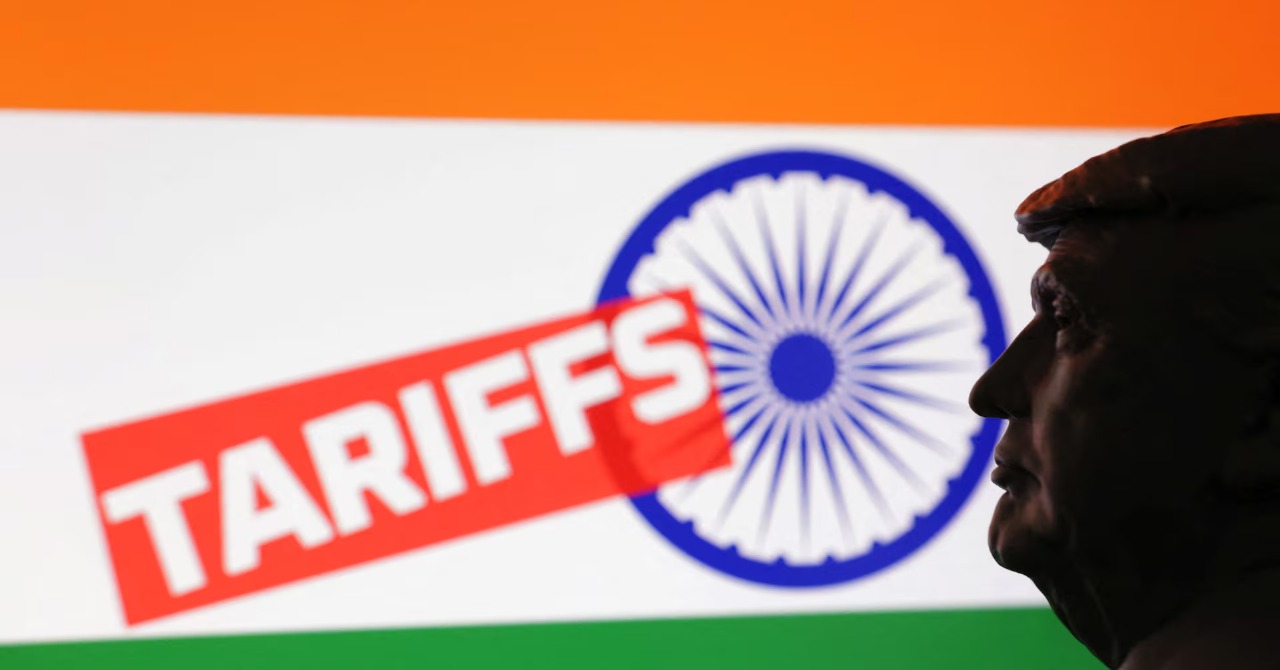
With the United States imposing a steep 25 percent tariff on Indian goods starting August 7, 2025, exporters across sectors are urging the Indian government to step in with immediate financial support. The move threate...
Introduction: India’s Exporters Brace for Impact as US Tariffs Loom
With the United States imposing a steep 25 percent tariff on Indian goods starting August 7, 2025, exporters across sectors are urging the Indian government to step in with immediate financial support. The move threatens to erode India’s competitiveness in its largest export market, especially as rival nations like Vietnam and Bangladesh face significantly lower reciprocal tariffs. In response, exporters are demanding a revival of the Interest Equalisation Scheme (IES), faster disbursal of tax refunds, and increased budgetary allocation to export promotion initiatives.
Key Developments and Sectoral Concerns
- The 25 percent US tariff will apply to a wide range of Indian exports, including textiles, gems and jewellery, shrimp, chemicals, leather, and machinery
- Competing nations face only 19–20 percent reciprocal tariffs, creating a 5–10 percent disadvantage for Indian exporters
- Labour-intensive sectors like apparel and seafood are already seeing order cancellations and shipment delays
- Exporters warn of potential job losses and factory shutdowns if relief measures are not introduced swiftly
Exporters’ Demands: Financial and Policy Support
Revival of Interest Equalisation Scheme (IES)
- Previously offered a 3 percent subsidy on pre- and post-shipment credit
- Exporters now seek a 5 percent subsidy to offset high domestic interest rates (8–12 percent)
- Competing countries enjoy central bank rates between 2 and 4.5 percent, making Indian credit costs uncompetitive
- The scheme was discontinued in December 2024 and has not been replaced
Export Promotion Mission (EPM)
- Announced in the Union Budget 2025–26 with an allocation of Rs 2,250 crore
- Funds have yet to be disbursed, prompting calls for immediate release
- Exporters want EPM to subsume IES and offer broader support to MSMEs
Enhanced Refunds Under RoDTEP and RoSCTL
- RoDTEP covers over 10,000 products with refund rates between 0.3 and 3.9 percent
- RoSCTL supports the apparel sector, which is most vulnerable to tariff shocks
- Exporters propose increasing refund rates to cushion the impact of rising duties
Government Engagement and Strategic Outlook
- Commerce Minister Piyush Goyal held meetings with exporters in Mumbai on August 2 and 3
- Exporters from apparel, engineering, agriculture, food-processing, and seafood sectors participated
- The minister invited written suggestions and assured that the government is evaluating options
- Exporters emphasized that diversification to other markets like Europe and the UK will take at least six months
- Negotiations for a mini trade deal with the US failed to meet the August 1 deadline; full bilateral agreement expected by Fall 2025
Risks and Implications for India’s Export Economy
- The US accounts for over 30 percent of India’s leather and apparel exports
- Think tank GTRI estimates a potential 30 percent decline in exports to the US in FY26
- From USD 86.5 billion in FY25, exports could fall to USD 60.6 billion
- Exporters fear that without immediate relief, India’s global market share could shrink, affecting long-term growth
Conclusion: A Defining Moment for India’s Trade Strategy
The tariff shock from the US has exposed vulnerabilities in India’s export ecosystem. As exporters scramble to stay afloat, the government faces mounting pressure to act decisively. Whether through revived interest subsidies, faster refunds, or strategic trade negotiations, the coming weeks will be critical in shaping India’s response to a rapidly shifting global trade landscape.
Source: Financial Express