In a landmark move that blends reverence with reform, the Shri Kashi Vishwanath Temple Trust has approved sweeping changes to the employment framework of priests and staff at one of India’s most sacred shrines. The decision, taken during the Trust’s 108th meeting in Varanasi, grants t...
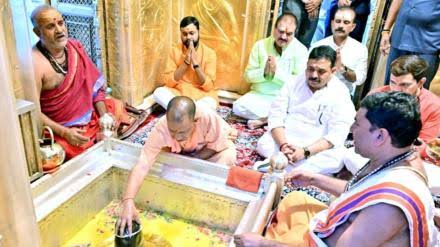
In a landmark move that blends reverence with reform, the Shri Kashi Vishwanath Temple Trust has approved sweeping changes to the employment framework of priests and staff at one of India’s most sacred shrines. The decision, taken during the Trust’s 108th meeting in Varanasi, grants temple workers the status of state government employees and triples their monthly salaries. This marks the first major upgrade in service conditions since the Uttar Pradesh government took over the temple’s administration in 1983.
The announcement has been hailed as a long-overdue recognition of the spiritual custodians who have served the temple for decades, often without structured benefits or parity with other public servants.
Major Takeaways From The Temple Trust’s Decision
- Priests and staff will now be treated as state government employees under new service rules
- Monthly salaries, previously around Rs 30,000, will be nearly tripled
- Additional benefits and allowances will align with other government employee categories
- The move addresses a four-decade gap in service condition reforms
- The Trust also approved several infrastructure and spiritual development projects
A Historic Shift In Temple Employment Norms
The new framework introduces formal service rules for temple staff, many of whom previously worked without contracts or defined benefits. This change not only enhances financial security but also brings dignity and structure to their roles. The revised pay scale and benefits package will include:
- Health and retirement benefits
- Structured leave policies
- Eligibility for dearness allowance and honorarium revisions
- Inclusion in state-level employee welfare schemes
This decision sets a precedent for temple administration across India, where priests are often paid from temple income and lack formal recognition. While states like Telangana have extended government pay scales to temple staff, Uttar Pradesh’s move for Kashi Vishwanath is seen as a significant departure from the national norm.
Spiritual Infrastructure Gets A Boost
Alongside employment reforms, the Trust cleared multiple proposals aimed at enhancing the temple’s spiritual and logistical ecosystem. These include:
1. Establishment of a Vedic education and training institute on 46 bighas of temple land in Kakrahi, Mirzapur
2. Development of a direct passage between Kashi Vishwanath Dham and the Vishalakshi Mata temple to ease pilgrim movement
3. Modernization of the Sankat Haran Hanuman temple and cowshed in Sarnath
4. Upgraded control room and installation of advanced surveillance systems for improved security
5. Alternative arrangements for laddu prasad and rudraksha mala distribution
These initiatives reflect a holistic approach to temple management, combining spiritual enrichment with modern infrastructure.
Strengthening Pilgrim Experience And Cultural Outreach
The Trust also approved the creation of a state-of-the-art digital museum within the temple premises to showcase the history, rituals, and architectural legacy of Kashi Vishwanath. Additionally, the long-pending renewal of identity cards for daily visitors will be resumed, with stricter verification protocols to prevent misuse.
To foster inter-temple collaboration, the Trust endorsed the Sangam Tirth water exchange initiative, connecting all Jyotirlingas in a symbolic spiritual network. Dandi sanyasis will continue to receive daily prasad, meals, and dakshina, preserving traditional practices.
A Model For Temple Governance Nationwide
This reform is expected to inspire similar changes in other states, where temple staff often operate under informal arrangements. By aligning spiritual service with administrative dignity, the Kashi Vishwanath Temple Trust has set a new benchmark in religious institution governance.
Sources: Moneycontrol, Financial Express, Millennium Post, Free Press Journal, CNBC TV18





 Show more