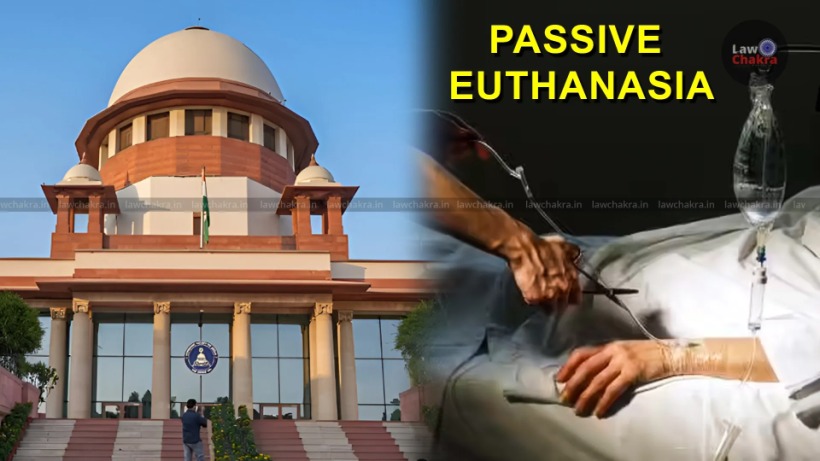






The Supreme Court of India has allowed withdrawal of life support under passive euthanasia, clarifying that decisions must be guided by the ‘best interests’ of the patient. The ruling strengthens legal safeguards, ensuring medical boards and families act responsibly while balancing ethical, medical, and constitutional considerations.
In a landmark judgment, the Supreme Court has reaffirmed the legality of passive euthanasia in India, permitting withdrawal of life support for terminally ill patients under strict conditions. The ruling emphasizes that decisions must prioritize the patient’s dignity and welfare, guided by the ‘best interests’ principle.
Legal Framework
The Court clarified that passive euthanasia is permissible when continuing treatment serves no meaningful purpose for the patient. The decision must involve medical boards, family members, and treating physicians, ensuring transparency and accountability in the process.
Ethical Considerations
The judgment underscores the importance of balancing medical realities with ethical obligations. By introducing the ‘best interests’ test, the Court aims to prevent misuse while safeguarding patient rights, ensuring that withdrawal of life support is neither arbitrary nor influenced by external pressures.
Impact On Healthcare
Hospitals and medical practitioners are expected to adopt stricter protocols for end-of-life care. The ruling provides clarity for families facing difficult decisions, while reinforcing the need for compassionate and legally compliant medical practices.
Key Takeaways
Supreme Court allows withdrawal of life support under passive euthanasia
‘Best interests’ test introduced to guide decisions
Medical boards and families must be involved in the process
Judgment strengthens ethical and legal safeguards
Hospitals expected to adopt stricter end-of-life protocols
Future Outlook
Legal experts believe the ruling will shape India’s healthcare ethics, offering clarity on passive euthanasia while protecting patient dignity. The decision is expected to influence policy discussions on end-of-life care, ensuring a humane and structured approach to complex medical situations.
Sources: Supreme Court of India, Economic Times, The Hindu, Business Standard, Reuters