
Iran Conflict Reshapes Global Aviation Routes And Increases Fuel Costs
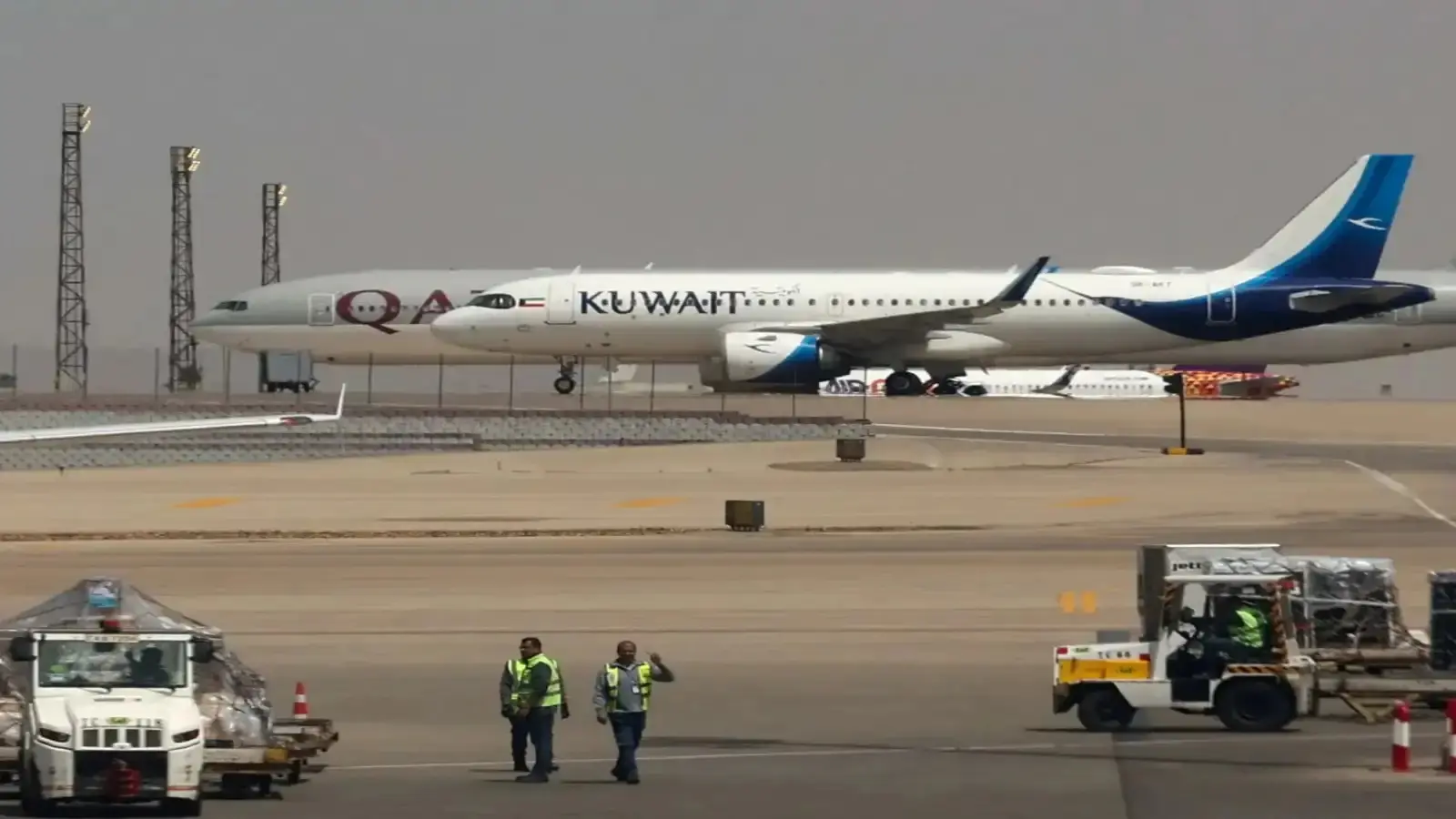
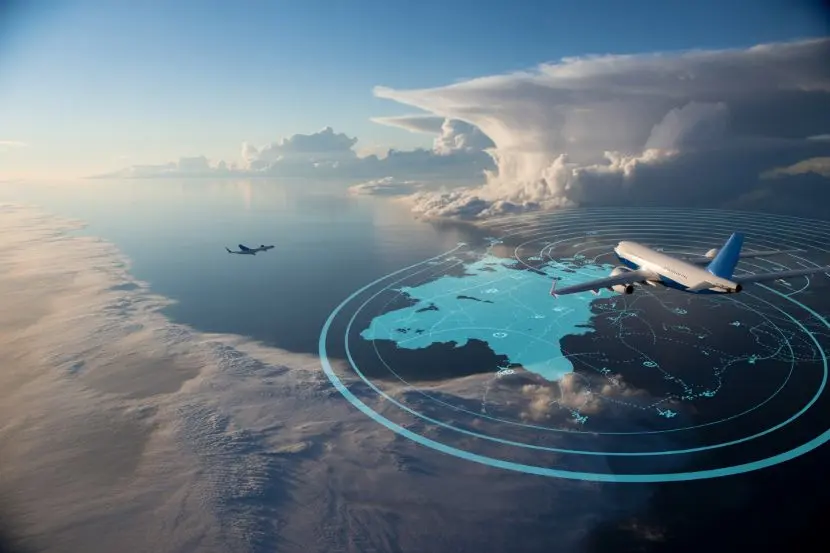
As tensions in the Middle East intensify, global airlines are adjusting routes to ensure passenger safety and regulatory compliance. The rerouting has led to longer travel times and higher fuel consumption, putting pressure on an industry already grappling with post-pandemic recovery and volatile oil prices.
Airspace Restrictions And Route Changes
Major carriers, including Emirates, Lufthansa, and Singapore Airlines, have suspended or diverted flights over Iranian airspace. European and Asian routes to the Gulf and South Asia are now taking longer detours through Turkey, Central Asia, or the Arabian Peninsula, increasing flight durations by up to 90 minutes.
Fuel Price Surge
The conflict has triggered a spike in crude oil prices, pushing aviation fuel costs up by nearly 8% in two weeks. Airlines are revising ticket prices and hedging strategies to offset the impact, while cargo operators face mounting logistical challenges.
Industry Outlook
Analysts warn that prolonged instability could reshape global flight corridors permanently. Aviation authorities are monitoring developments closely, emphasizing safety and contingency planning as geopolitical risks continue to rise.
Key Highlights
- Airlines reroute flights to avoid Iranian airspace
- Flight durations increase by up to 90 minutes
- Fuel prices surge amid Middle East tensions
- Cargo and passenger carriers face higher costs
- Industry braces for long-term route realignments
Sources: Reuters, Bloomberg, FlightGlobal, Economic Times
Stay Ahead – Explore Now! The Silent Superstar With Most 500 Crore Blockbusters In Indian Cinema.. He Is...